
Custom Rigid Boxes
Custom rigid boxes built around board construction, wrapped-edge control, insert support and the real packed product.
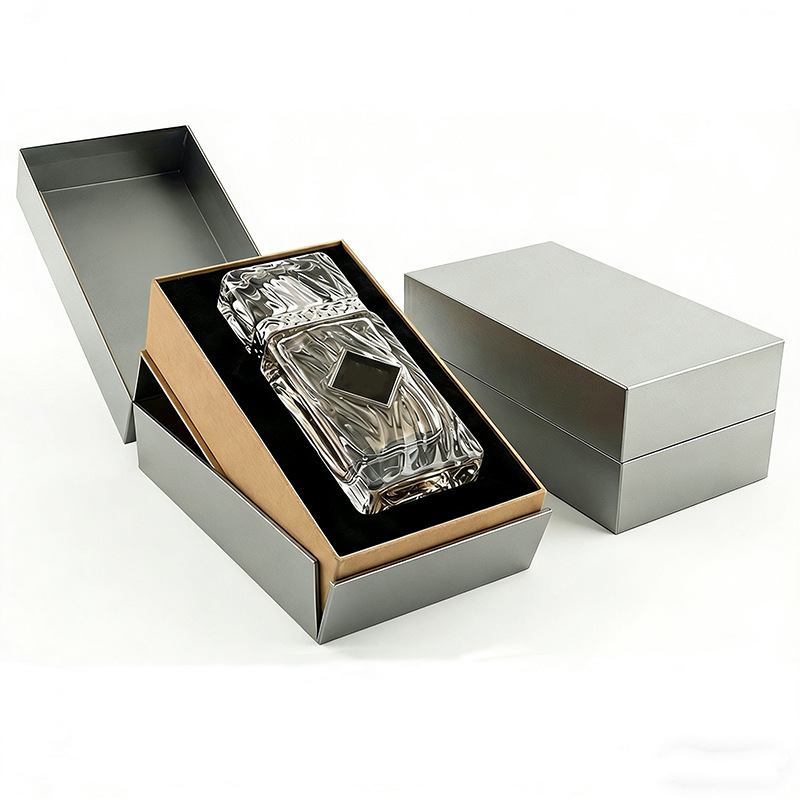
How Rigid Boxes Are Engineered
Rigid boxes use dense board wrapped with printed or specialty paper. Board behavior, corner construction, paper grain, adhesive, wrap tolerance and insert support determine appearance, function and repeatability.

Rigid Box Structure Options
Choose the structure around protection, opening experience, storage and production method.
Custom Product Examples for Brand Projects
Browse representative factory-made structures. Every product can be adjusted for size, materials, printing, inserts and order requirements.
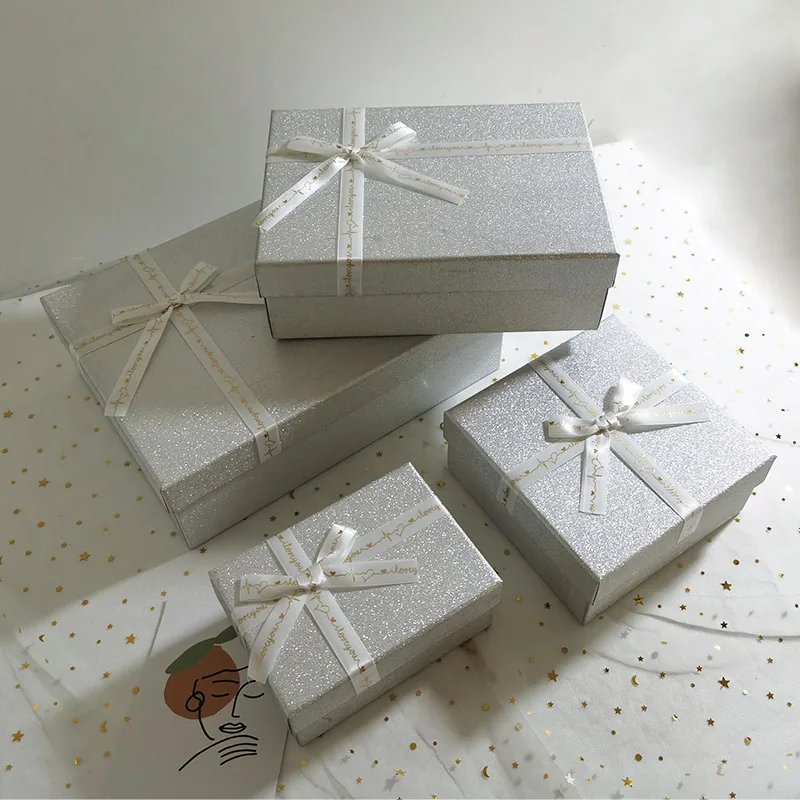
Silver White Ribbon Lid and Base Gift Box
Two-piece rigid gift box with a silver textured wrap and white ribbon presentation for branded gift programmes.
View details →
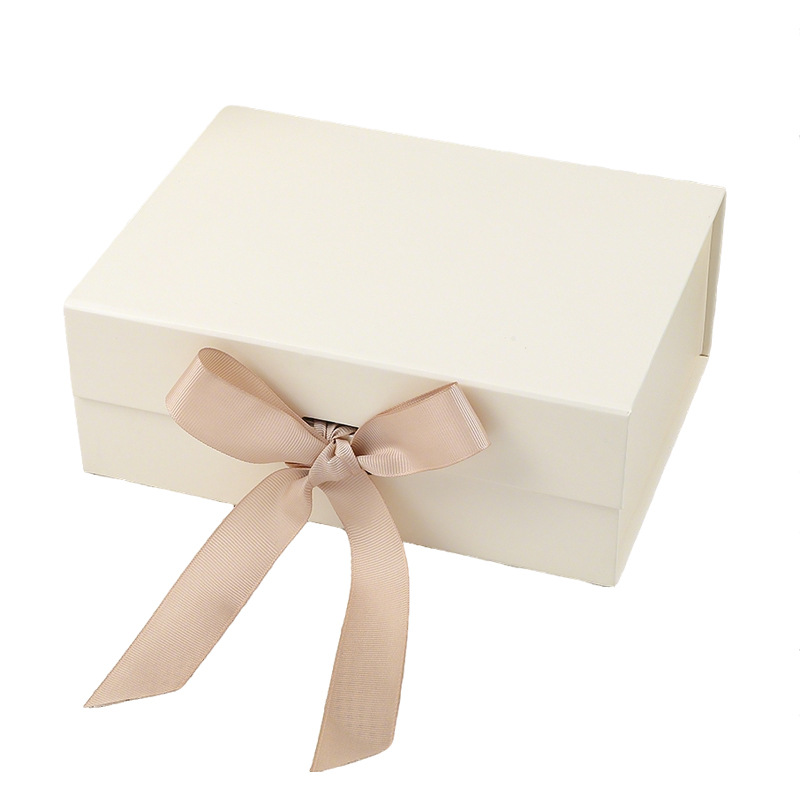
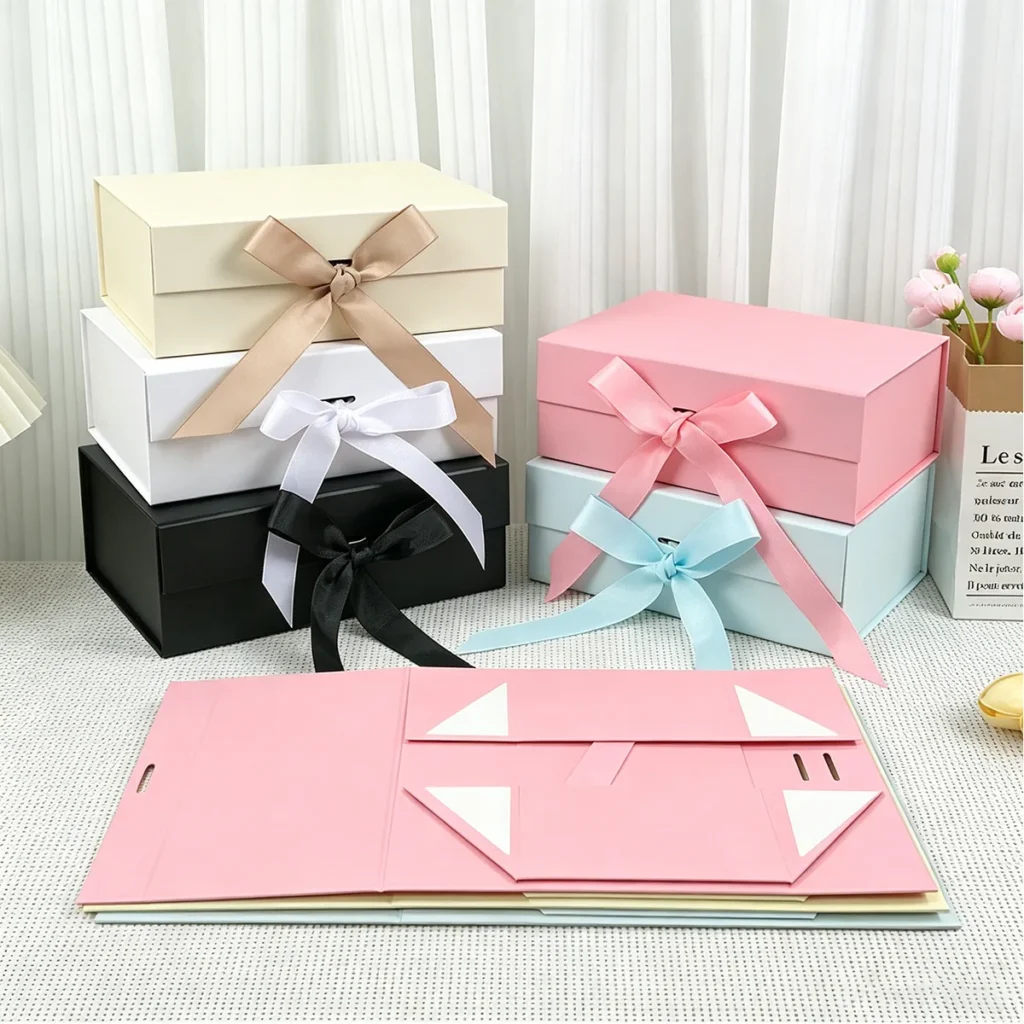
Colored Ribbon Rigid Lid and Base Gift Box
Ribbon-finished rigid presentation box available in coordinated colors for retail sets and promotional gifting.
View details →
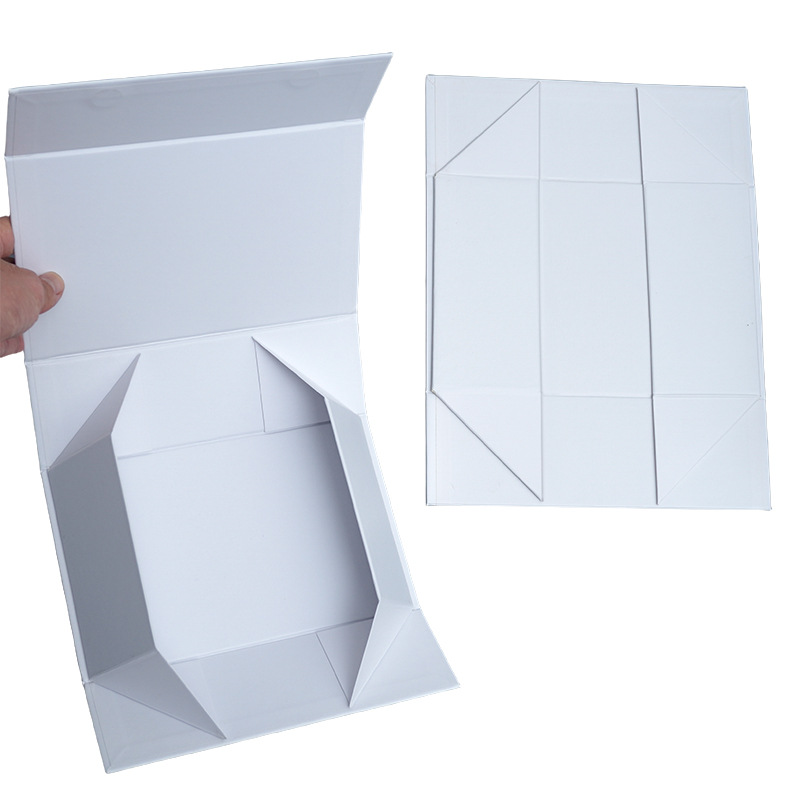
Collapsible Magnetic Rigid Gift Box
Fold-flat magnetic rigid box designed to reduce storage volume while retaining a premium unboxing structure.
View details →
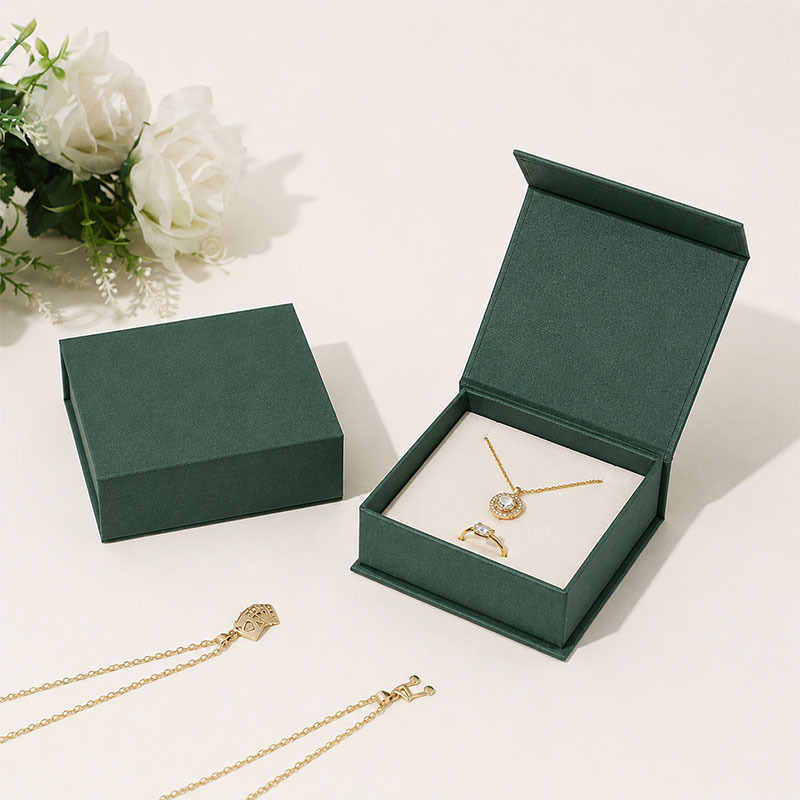
Green Hinged Jewelry Gift Box
Compact green hinged jewelry box with a fitted presentation insert for necklaces, earrings and small accessories.
View details →
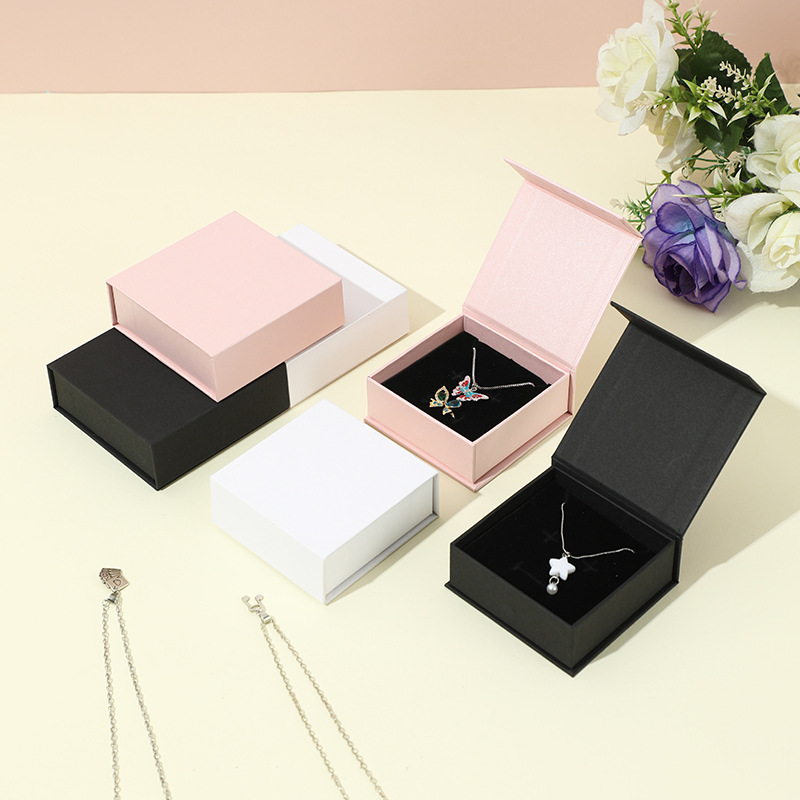
Pink and Black Hinged Jewelry Gift Box
Hinged rigid jewelry presentation box offered in pink, black and white with a soft fitted insert.
View details →
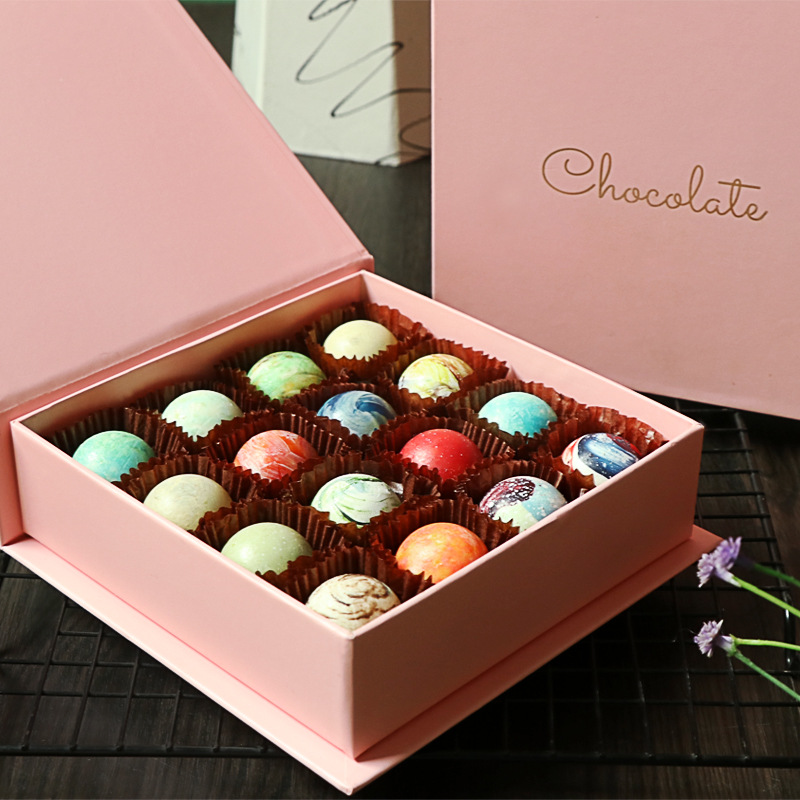
Square Chocolate Assortment Gift Box
Square rigid chocolate box with an organized multi-cavity tray for assortments, seasonal ranges and retail gifting.
View details →
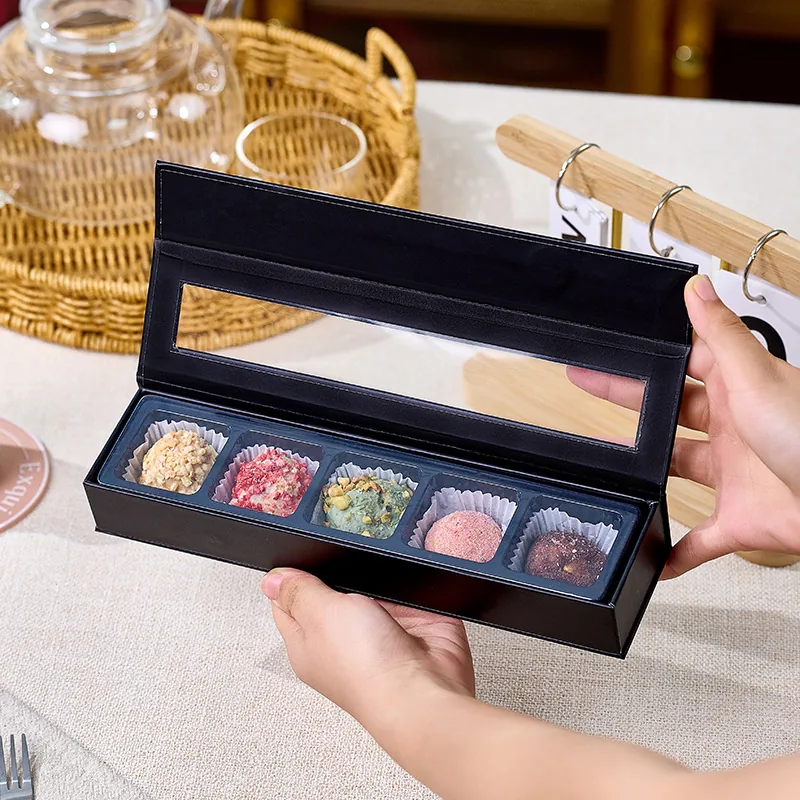
Long Chocolate Bar Display Box
Long presentation box with a clear display lid and divided tray for chocolate bars, truffles and confectionery sets.
View details →
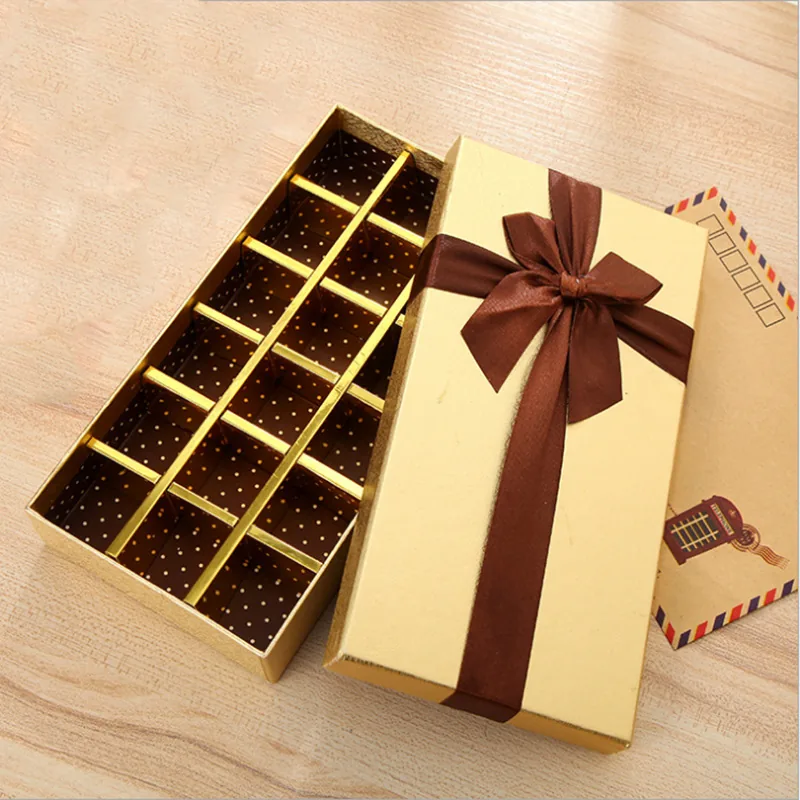
Long Ribbon Chocolate Gift Box
Long two-piece chocolate gift box with a ribbon finish and divided tray for premium confectionery collections.
View details →
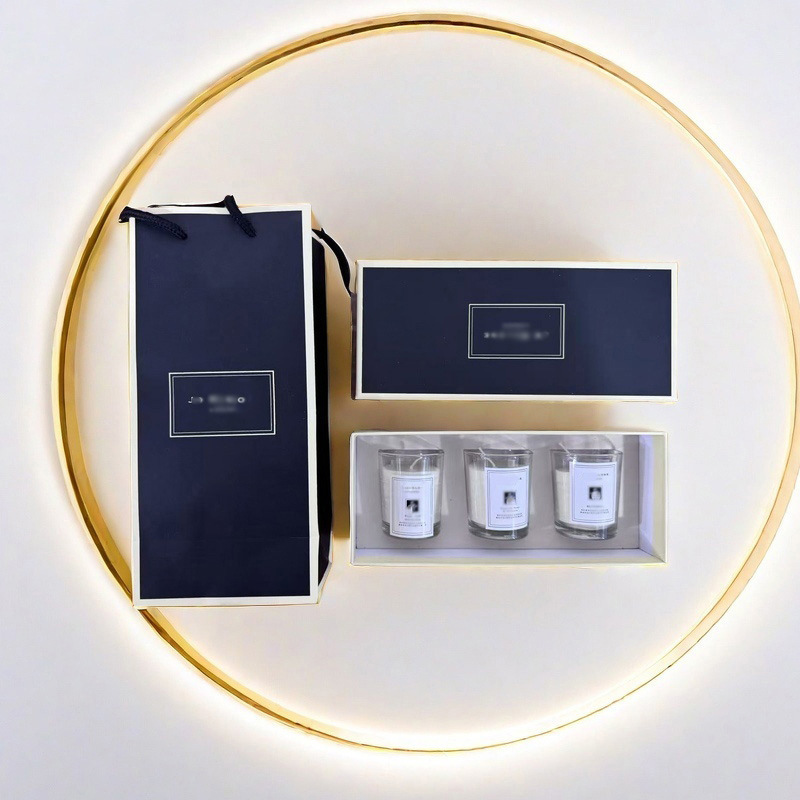
Three-Candle Rigid Gift Box
Rigid gift box with a fitted three-cavity insert for candle sets, fragrance collections and branded gift programmes.
View details →Production Machines Used for This Packaging
Machine photos, models and production functions can be added here after the factory material set is approved.
From Structural Sample to Bulk Production
Use the physical sample to confirm dimensions, edges, opening and packed-load behavior before release.
- Brief
Review the product and buying brief
Confirm dimensions, weight, orientation, quantity, artwork status, required date and shipping route.
- Structure
Build and review the structure
Develop the dieline, board construction, insert fit and opening sequence around the real product.
- Sample
Approve the physical sample
Confirm fit, color, finishing, function and packing method before production release.
- Production
Control the production handoff
Use the approved sample and specification during setup, in-process inspection and final packing.
Rigid Box Quality Control
Inspection covers dimensions, corners, edge wrapping, opening fit, insert placement, surface condition and packing readiness. Rigid-box capacity depends on the selected construction. For an 8-hour shift, reference output is up to 8,000 lid-and-base boxes, approximately 1,000 other box structures, or approximately 700 one-piece folding boxes. Final scheduling is confirmed against the approved specification.
First-article approval
Prevent setup errors from entering volume production.
In-process inspection
Catch drift in mounting, finishing, fit and alignment.
Final inspection
Check appearance, opening performance, accessories and packing readiness.
Board, Wrap and Product Protection
The board, wrap paper, adhesive, insert and protective packing must work as one system.
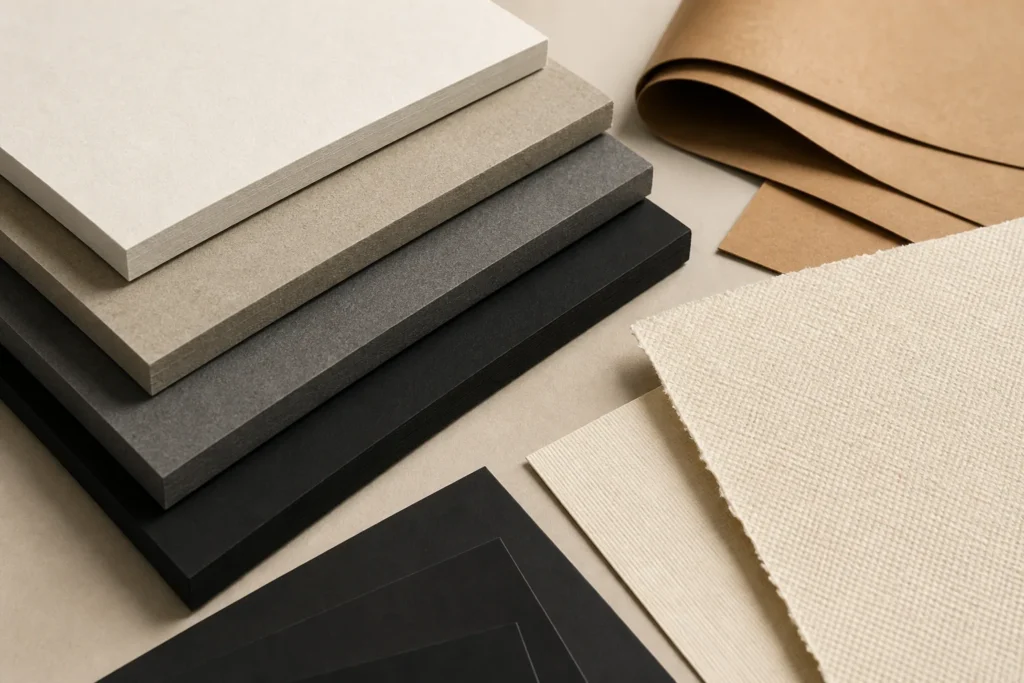
Paper & Board
Greyboard thickness, specialty paper, coated paper and responsible paper options.
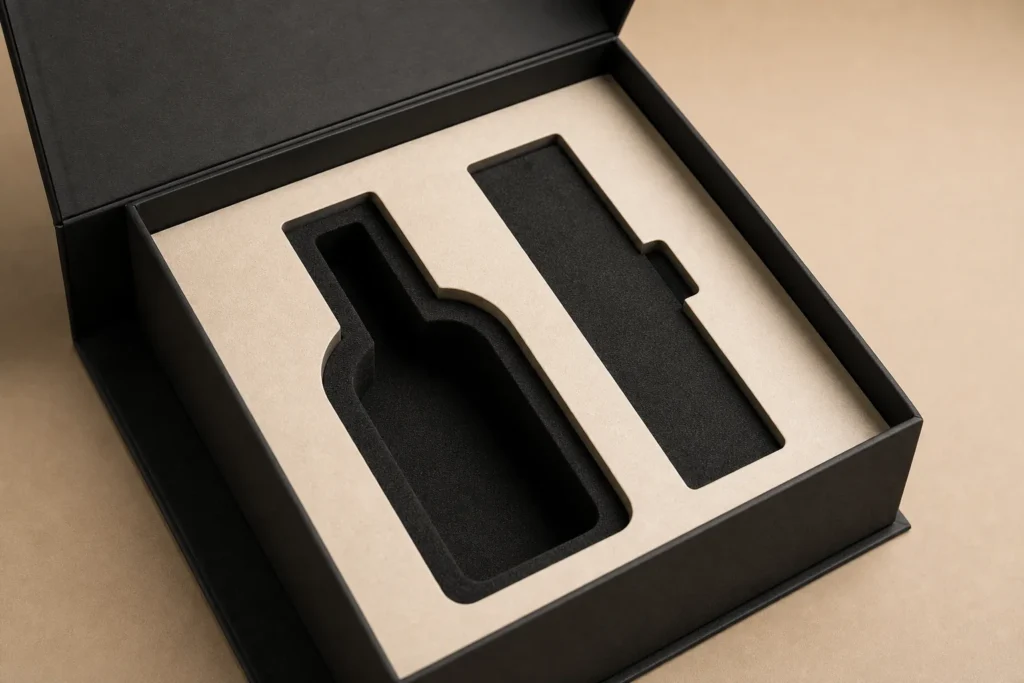
Custom Inserts
Paperboard, molded pulp, EVA, foam and fabric-covered insert systems.
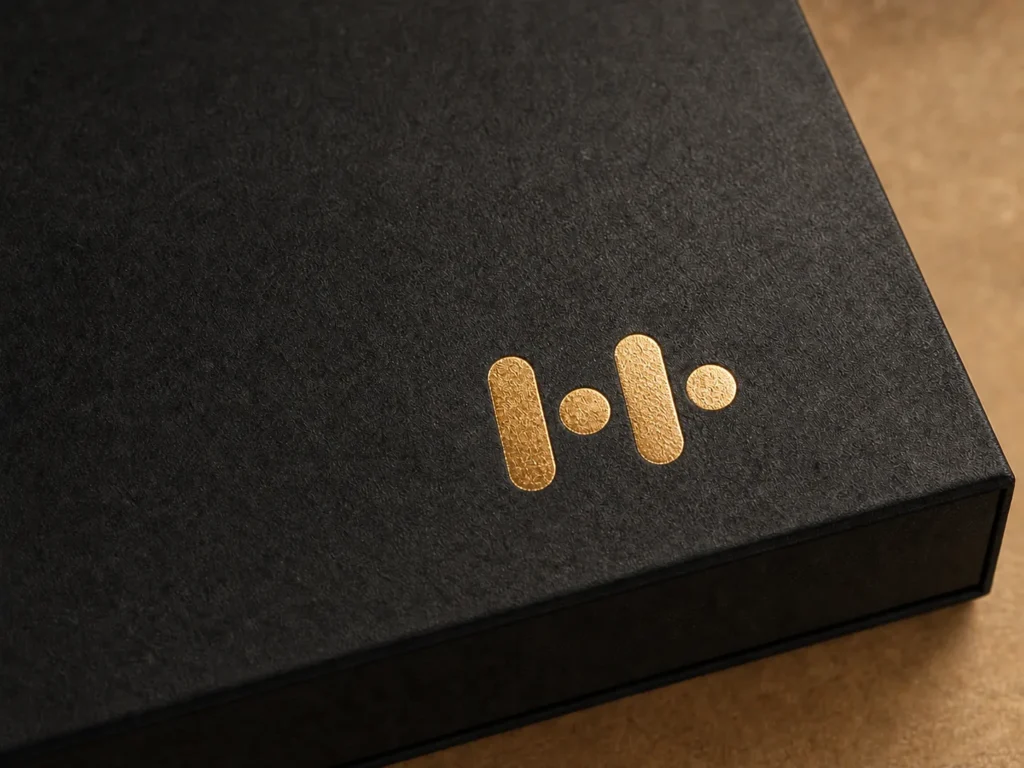
Foil Stamping
Gold, silver and custom-color foil for logos and fine details.
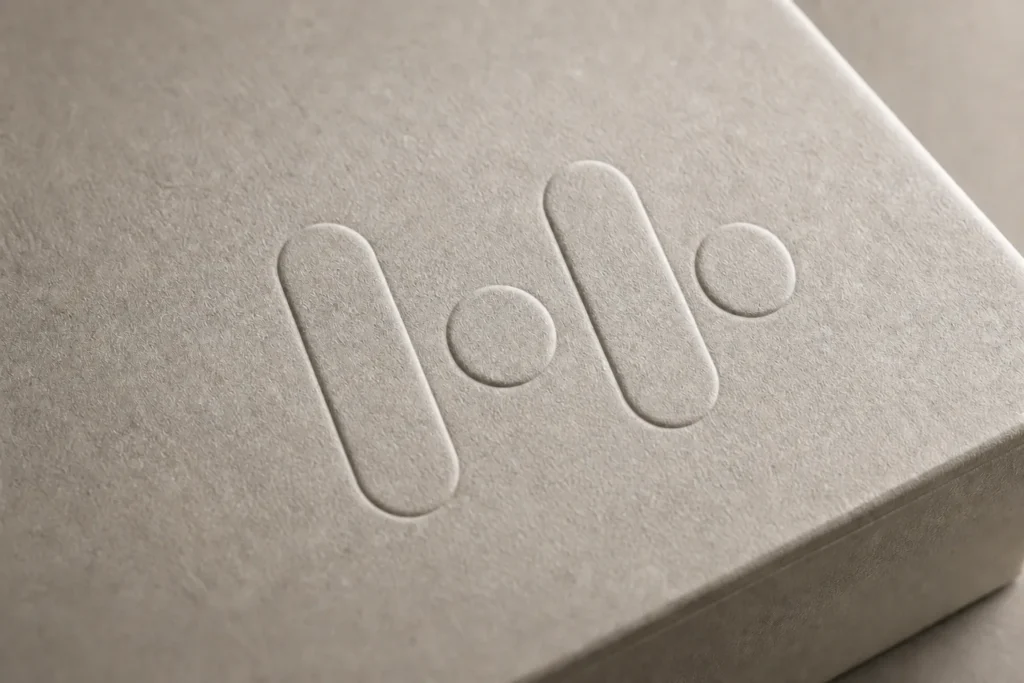
Embossing / Debossing
Raised or recessed brand details for a tactile premium finish.
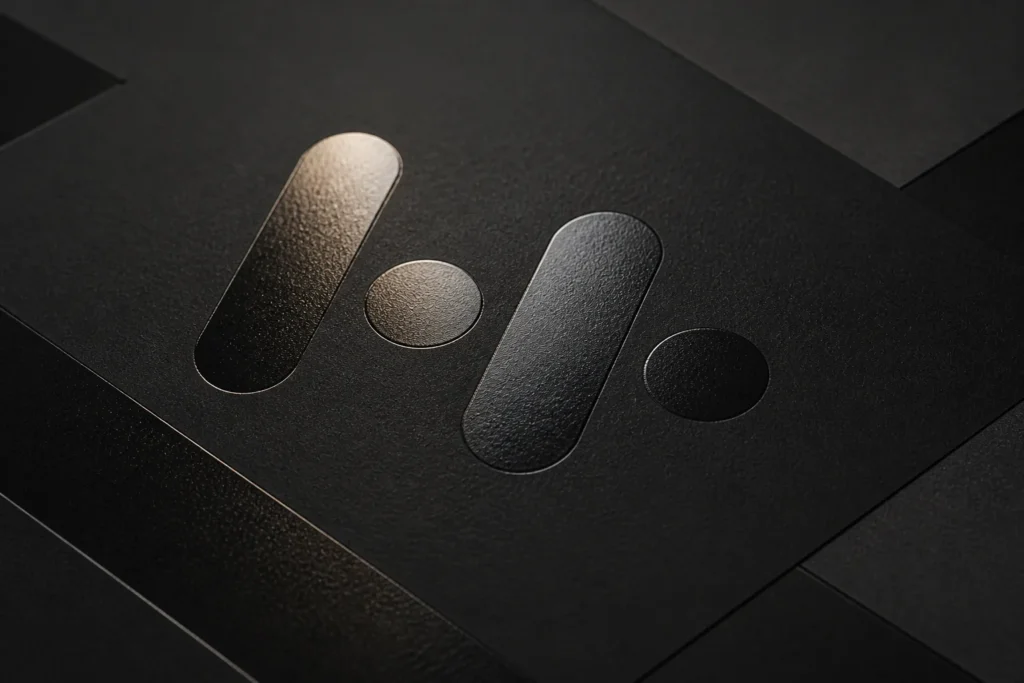
Spot UV
Gloss contrast used selectively over logos, patterns or product names.
Logo Printing
Pantone, CMYK and specialty printing aligned to approved artwork.
Industry Applications
Packaging decisions should follow the product, retail channel and launch programme.
Premium Retail
Durable presentation for high-value products.
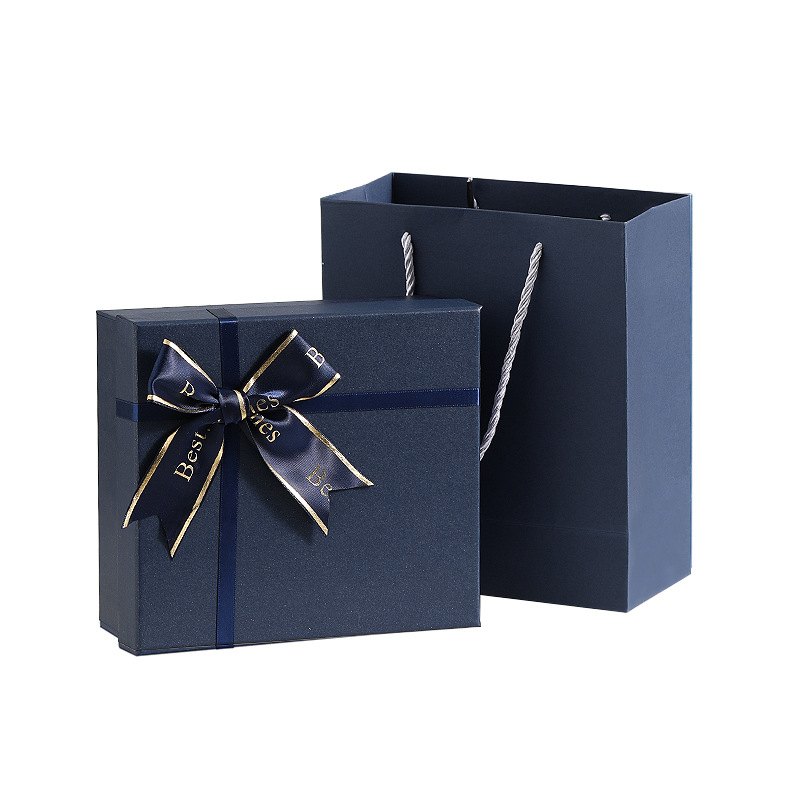
Electronics & Accessories
Protective inserts and disciplined pack-out.

Jewelry Collections
Compact luxury structures with fitted interiors.

Rigid Box Buying FAQ
Board, structure, insert and sample decisions that determine real performance.
Explore all 147 answersWhich box structures do you manufacture most often?
Our highest-volume structures are lid and base, magnetic book-style and standard drawer boxes. Standard rigid formats are best for efficient volume production, while irregular, rotating, multi-compartment and hardware-assisted designs demonstrate more advanced structural capability.
How should heavy, fragile, irregular or glass products be packaged?
Use stronger board, reinforce the base, support the product over a broad area and fit a custom EVA or EPE insert to prevent movement. Glass edges and unusual contours need dedicated relief and cushioning, while hinges and closures must be sized for the load.
Which apparently simple boxes are the hardest to make well?
Slim drawer boxes, thin magnetic book-style boxes, shallow lid and base boxes and miniature rigid boxes expose very small errors. Drawer clearance, magnet position, corner wrapping, board flatness and glue control all become highly visible.
Which greyboard thickness should I use?
Typical options are 1.5, 2.0, 2.5 and 3.0 mm, with 3.5-4.0 mm reserved for exceptional loads. Small light boxes may use 1.5-2.0 mm, mainstream rigid boxes usually use 2.0-2.5 mm, and large or heavy sets commonly require 2.5-3.0 mm or localized reinforcement.
How do you verify that greyboard is strong enough?
We consider box span, packed weight and stacking. A box above 350 mm or carrying more than 1 kg normally needs a higher board grade or reinforcement, while warehouse stacking pushes the choice up another level. Collapsible structures usually stay around 1.5-2.0 mm so scores can fold without breaking.
What information do you need to start a custom box project?
We need the product dimensions and weight, preferred box style, finished size, material and insert direction, finishes, accessories, quantity, required date, shipping method, final artwork and acceptance criteria. A real product sample is strongly recommended for fitted inserts.
What is the difference between a white sample, structural sample and pre-production sample?
A white sample checks size and basic function. A structural sample adds magnets, ribbons and moving parts. A process sample tests the final paper and finish. A fully printed sample confirms the visual design, while the pre-production sample uses mass-production materials, tooling and equipment and becomes the closest reference for the run.
What are buyers' ten most common product questions?
Use the real product for insert sampling whenever possible. Foil can wear if left unprotected. Only purpose-designed collapsible rigid boxes ship flat. Production color can closely match but not be physically identical to every sample. EVA protects better while paper is easier to recycle. Magnet strength is adjustable. Ocean freight moisture risk can be reduced but not eliminated. Rigid-box MOQ typically starts at 500 units. Insert-only orders are possible if the box interior is fixed. Under dry storage, many paper boxes remain serviceable for about 1-2 years.
Start Your Custom Rigid Project
Send the product dimensions, target quantity, preferred box style and artwork status. Our team will recommend the structure, materials, sampling plan and quotation details.

