China Custom Packaging Manufacturer

Custom Packaging Boxes Manufacturer

Factory-managed structure, printing, inserts, sampling and bulk production, developed around your real product and delivery route.
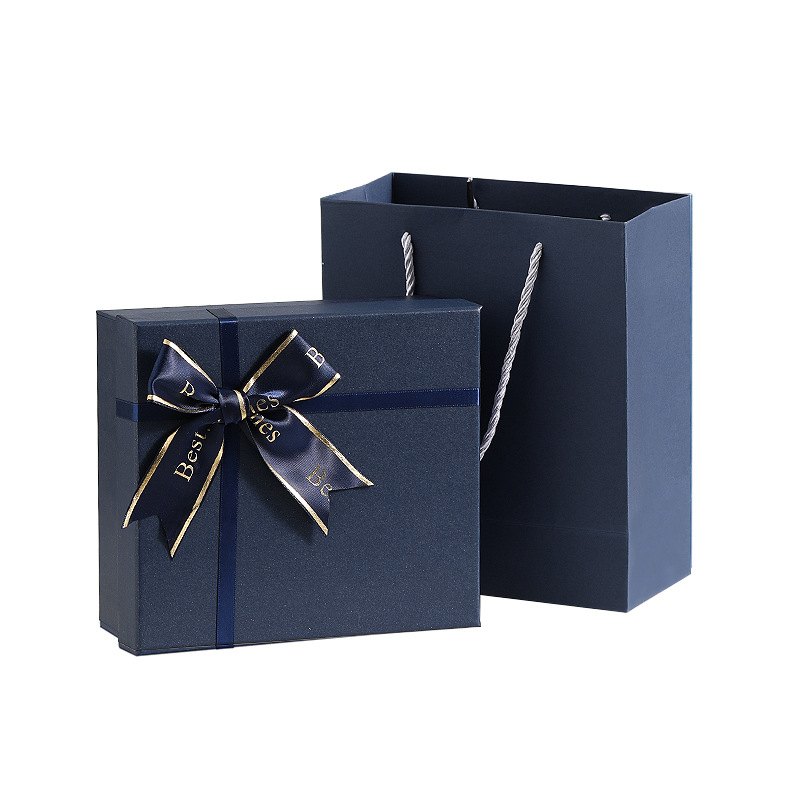
Custom Packaging Boxes Manufacturer
Selected Products

Custom Box Formats Built Around Your Product

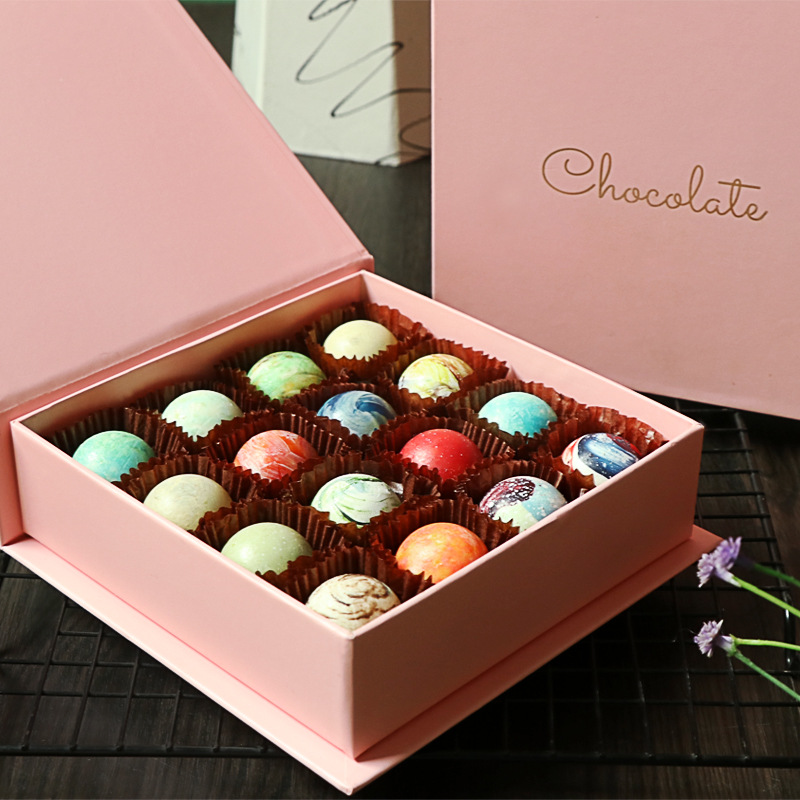
Use these factory-made examples to identify a starting structure. Size, paper, printing, inserts and accessories are then adjusted around the approved project brief.
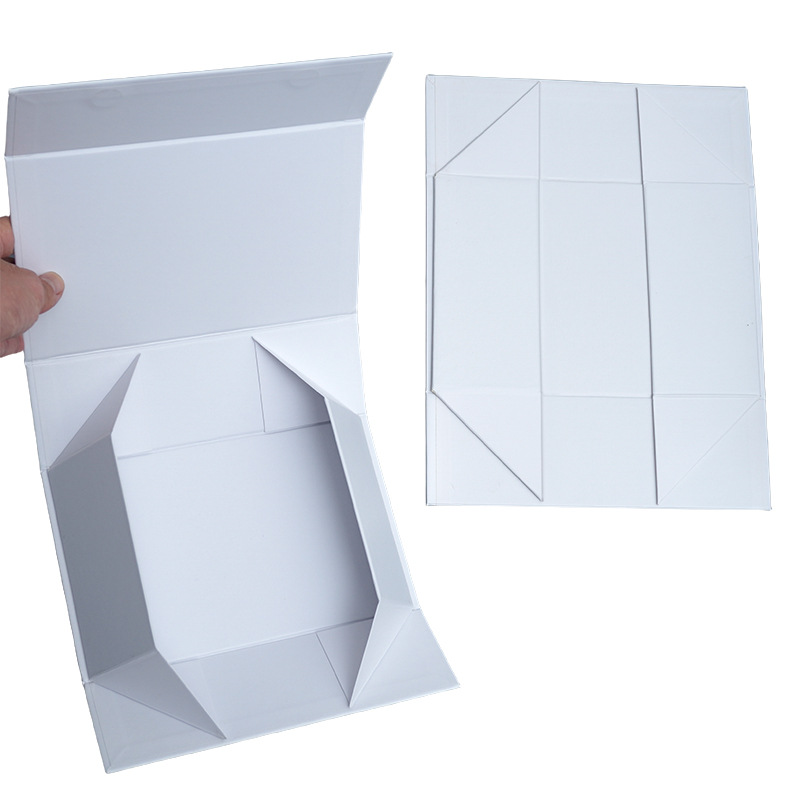
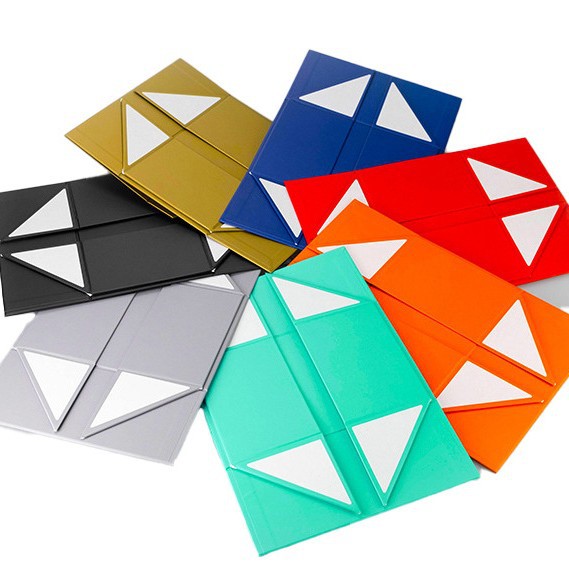
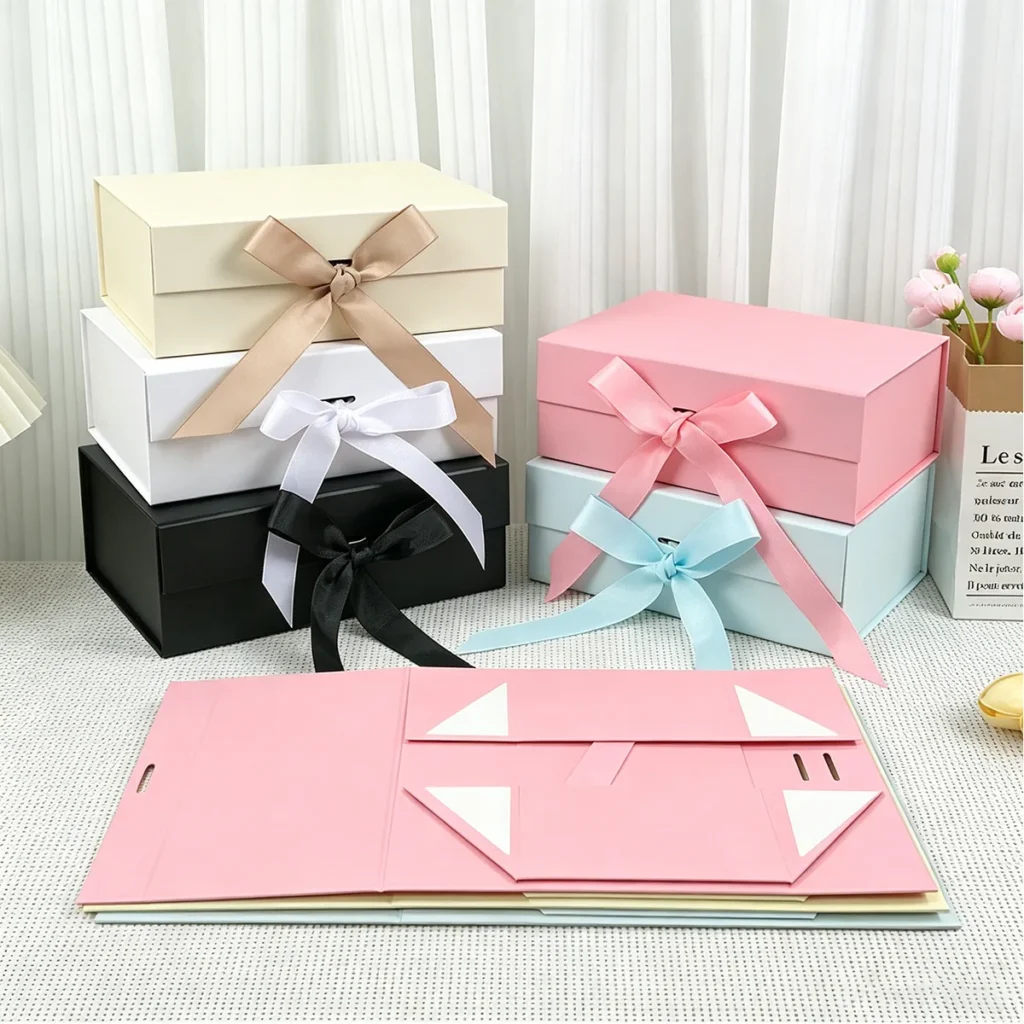
Collapsible Magnetic Rigid Gift Box
Flat Pack

Collapsible Magnetic Rigid Gift Box

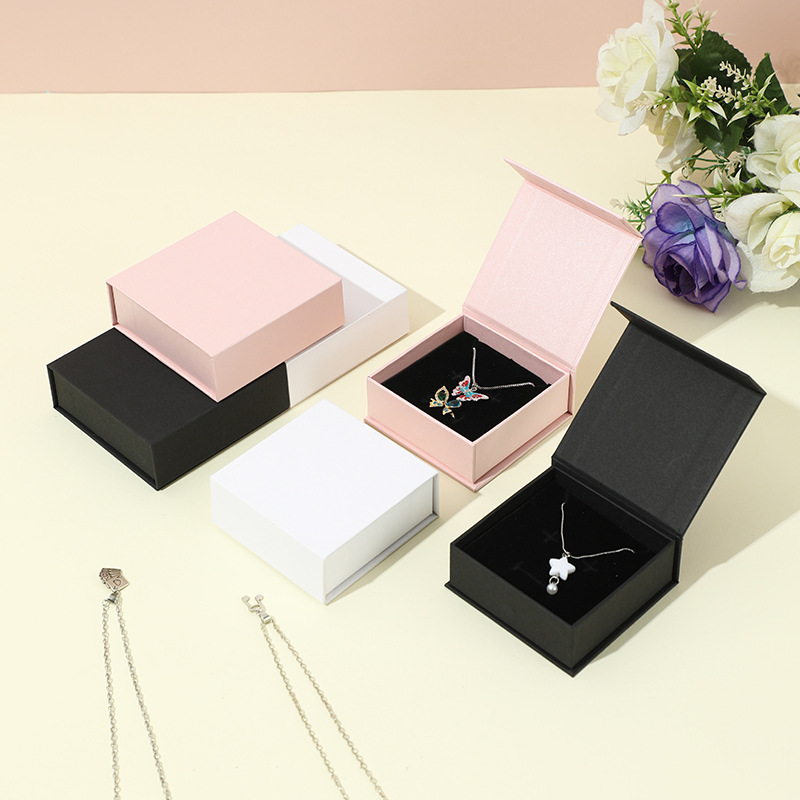
Fold-flat magnetic rigid box designed to reduce storage volume while retaining a premium unboxing structure.

View details
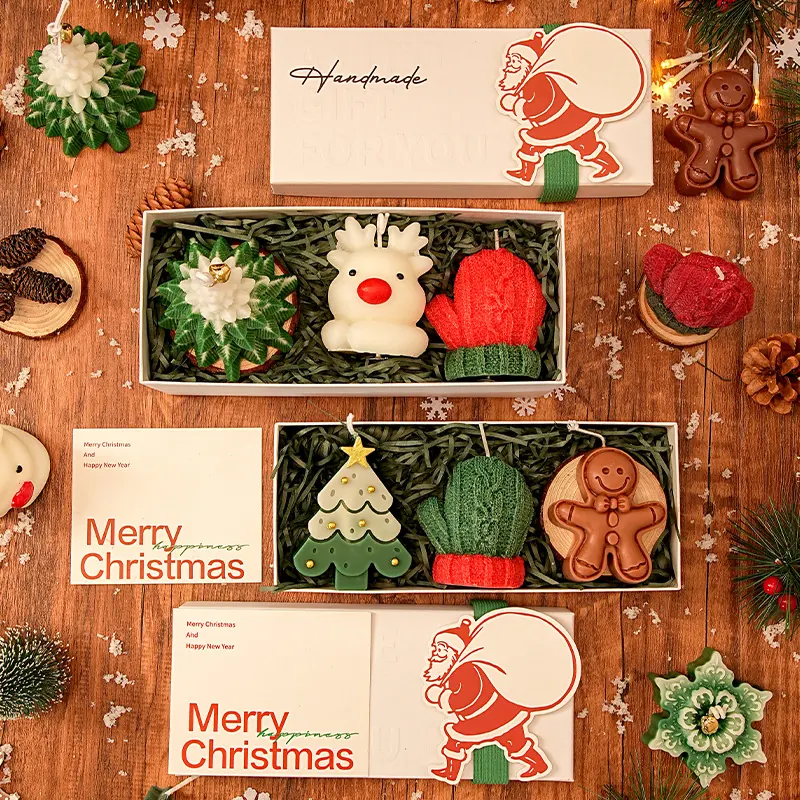
Christmas Seasonal Gift Box
Seasonal

Christmas Seasonal Gift Box

Long Christmas gift box developed for seasonal product sets, promotional collections and holiday retail campaigns.

View details
Collapsible Folding Rigid Packaging Box
Space Saving

Collapsible Folding Rigid Packaging Box

Collapsible rigid packaging box supplied flat for efficient shipping and assembled into a premium presentation format.

View details
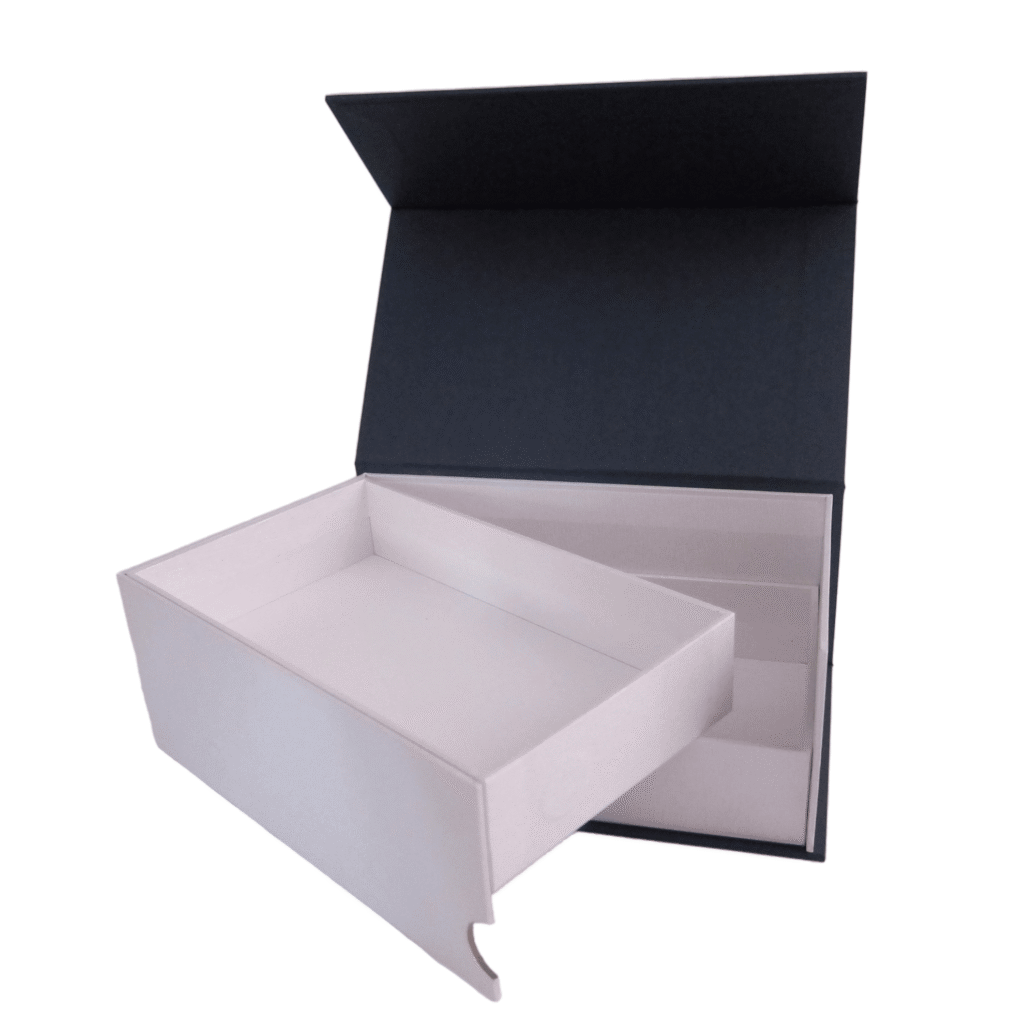
Dark Hinged Gift Box with a White Tray
Contrasting interior

Dark Hinged Gift Box with a White Tray

A dark hinged cover contrasts with a white rectangular tray and light interior for a clean presentation of a single item or gift set.

View details
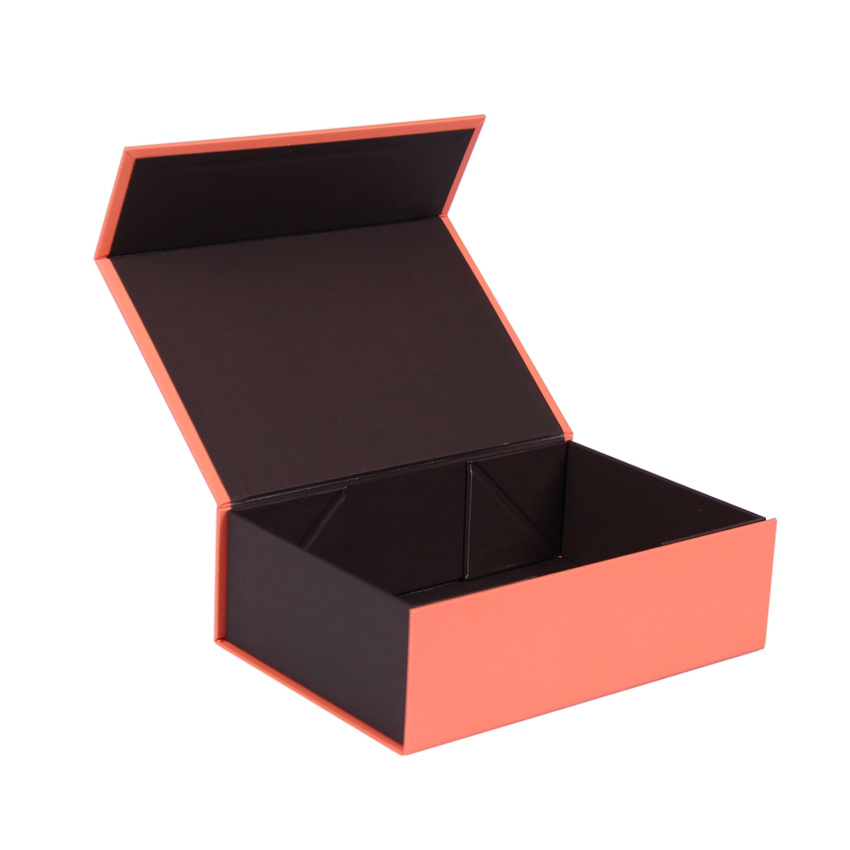
Coral and Black Collapsible Gift Box
Folding corners

Coral and Black Collapsible Gift Box

A coral exterior and black interior frame an open compartment, with folding corner panels visible inside the box.

View details
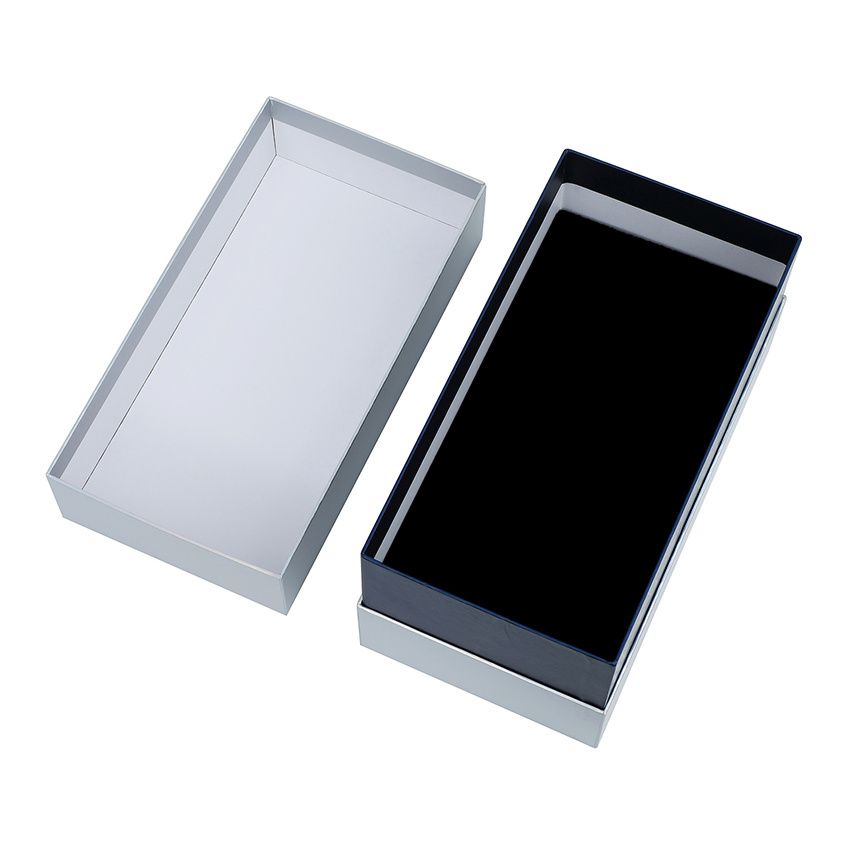
Long Shoulder Gift Box with a Black Interior
Shoulder Box

Long Shoulder Gift Box with a Black Interior

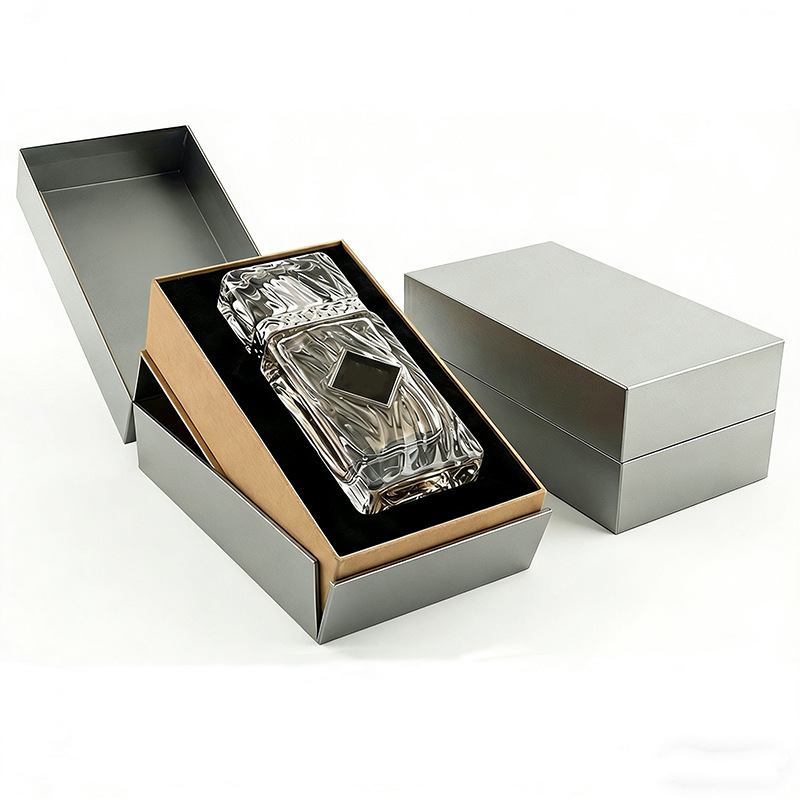
An elongated lift-off-lid box with a raised inner frame and contrasting black interior.

View details
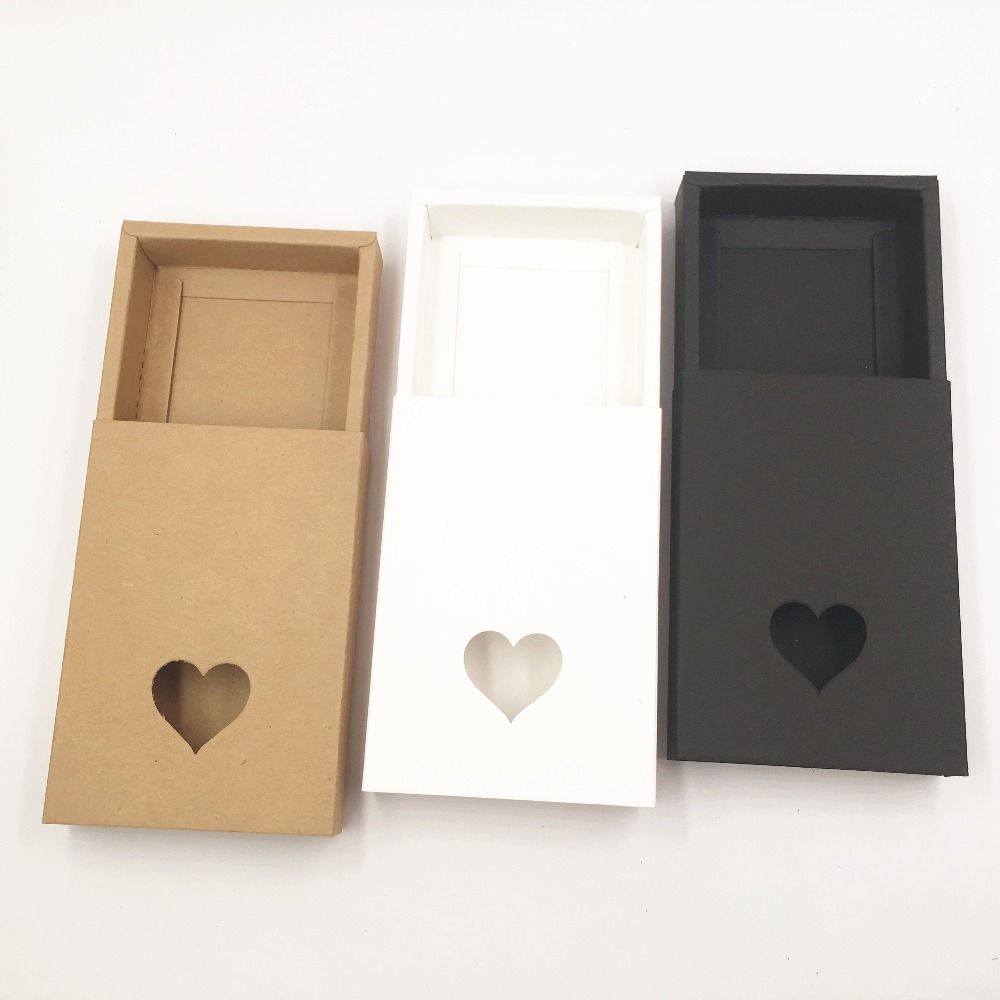
Heart-Cutout Drawer Gift Box
Die-cut sleeve

Heart-Cutout Drawer Gift Box

Three color examples of a paperboard drawer box, each with a heart-shaped sleeve cutout and a plain inner tray.

View details
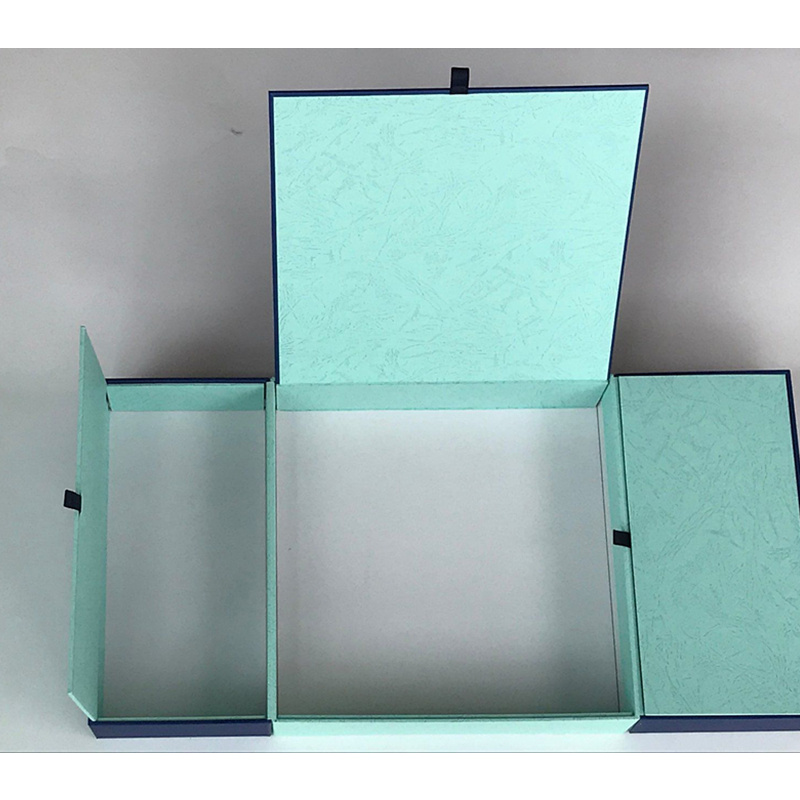
Three-Section Hinged Presentation Box
Multi-Section Layout

Three-Section Hinged Presentation Box

A multi-section presentation box with a large central area and two narrow side sections for coordinated gift layouts.

View details
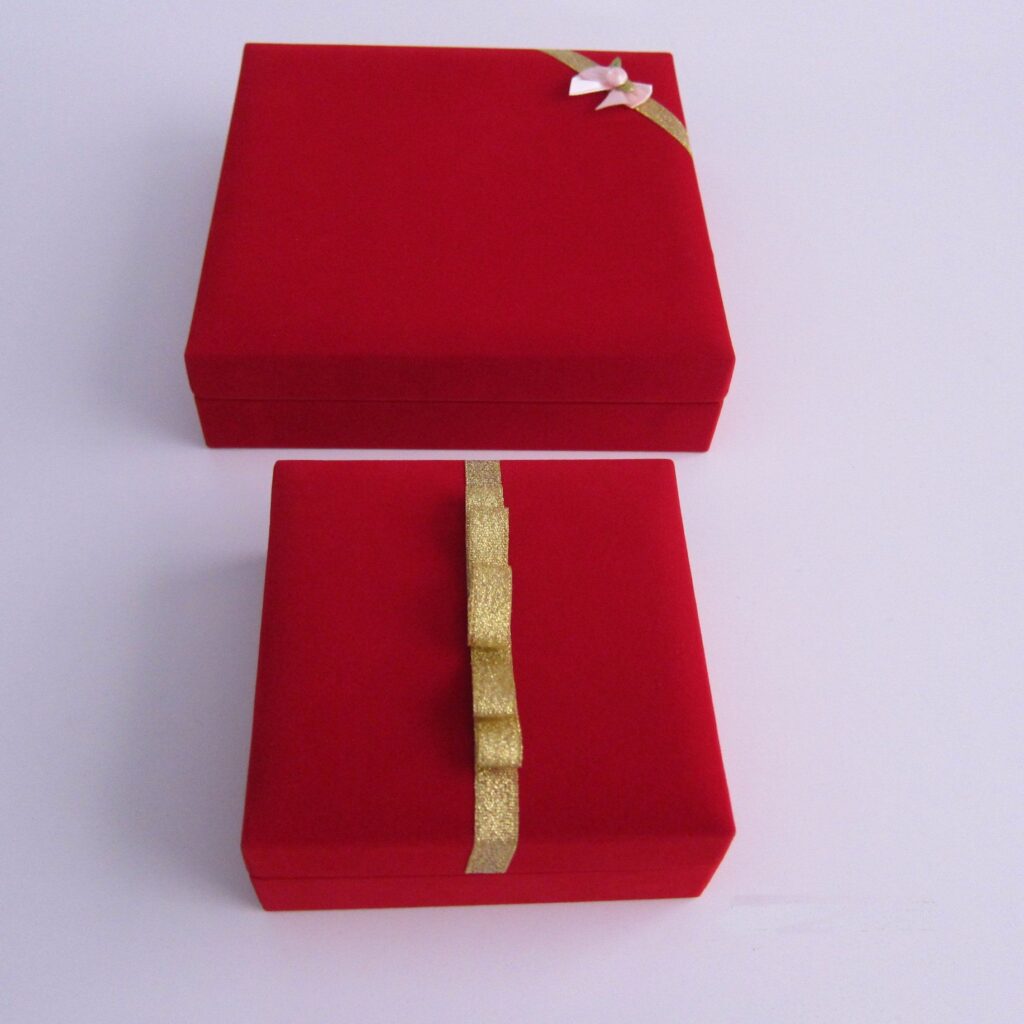
Red Fabric-Covered Jewelry Gift Box
Jewelry Presentation

Red Fabric-Covered Jewelry Gift Box

A fabric-covered presentation box with a soft red surface and ribbon decoration for jewelry gifting.

View details
Overview

Custom Packaging Is a Specification, Not One Box Style

This page is the starting point when a buyer knows the product and business goal but has not finalized the box. We first review dimensions, shape, weight and fragility, then consider presentation, unboxing, storage, shipping, budget and order quantity. The result should protect the product and support the buying experience without adding unnecessary cost.

Custom Packaging Is a Specification, Not One Box Style
Buyer Guide

Four Decisions to Confirm Before Sampling

These inputs shape the structure proposal, insert direction, prototype and quotation.

Product fit

Confirm exact dimensions, weight, orientation, quantity per box and whether the real product can be supplied for fitting.

Protection risk

Identify fragile edges, glass, pumps, irregular contours, movement risk, stacking and the intended shipping route.

Opening experience

Decide how the product should be revealed, removed and presented in retail, gifting or campaign use.

Commercial limits

Share target quantity, budget direction, required date, destination and the acceptance criteria that matter most.

Decision Guide

Match the Packaging Route to the Project

The same visual concept can be adapted without pretending every budget should use the same construction.

CriterionOption AOption BRecommendation
Value routeLid and basePaper insertUse minimal finishing and a proven format
Balanced routeMagnetic or drawerEVA or molded paperChoose one signature finish
Premium routeBook-style or layered rigidFlocked or engineered insertSample every combined finish
Shipping-led routeFolding or mailerPaper or transport cushioningTest packed-load and drop risk
Factory Workflow

From Product Brief to Repeatable Production

Structure and fit are approved first, followed by the final paper and finishes. The production specification is locked only after the physical sample is accepted.

  1. 01

    Review the real product

    Confirm dimensions, weight, fragility, orientation, quantity and shipping conditions.

  2. 02

    Develop the structure

    Calculate the cavity, insert, board, wrap and finished external dimensions.

  3. 03

    Validate a prototype

    Check fit, opening, packed load, accessory interference and movement risk.

  4. 04

    Approve final finishes

    Review paper, print, foil, embossing, UV, accessories and artwork on a physical sample.

  5. 05

    Lock production control

    Archive the approved sample, dieline, artwork, BOM, tooling and work instructions.

  6. 06

    Inspect and pack

    Use first-article, in-process and final checks before protective packing and dispatch.

QUALITY VIDEO

See the checks before and after production

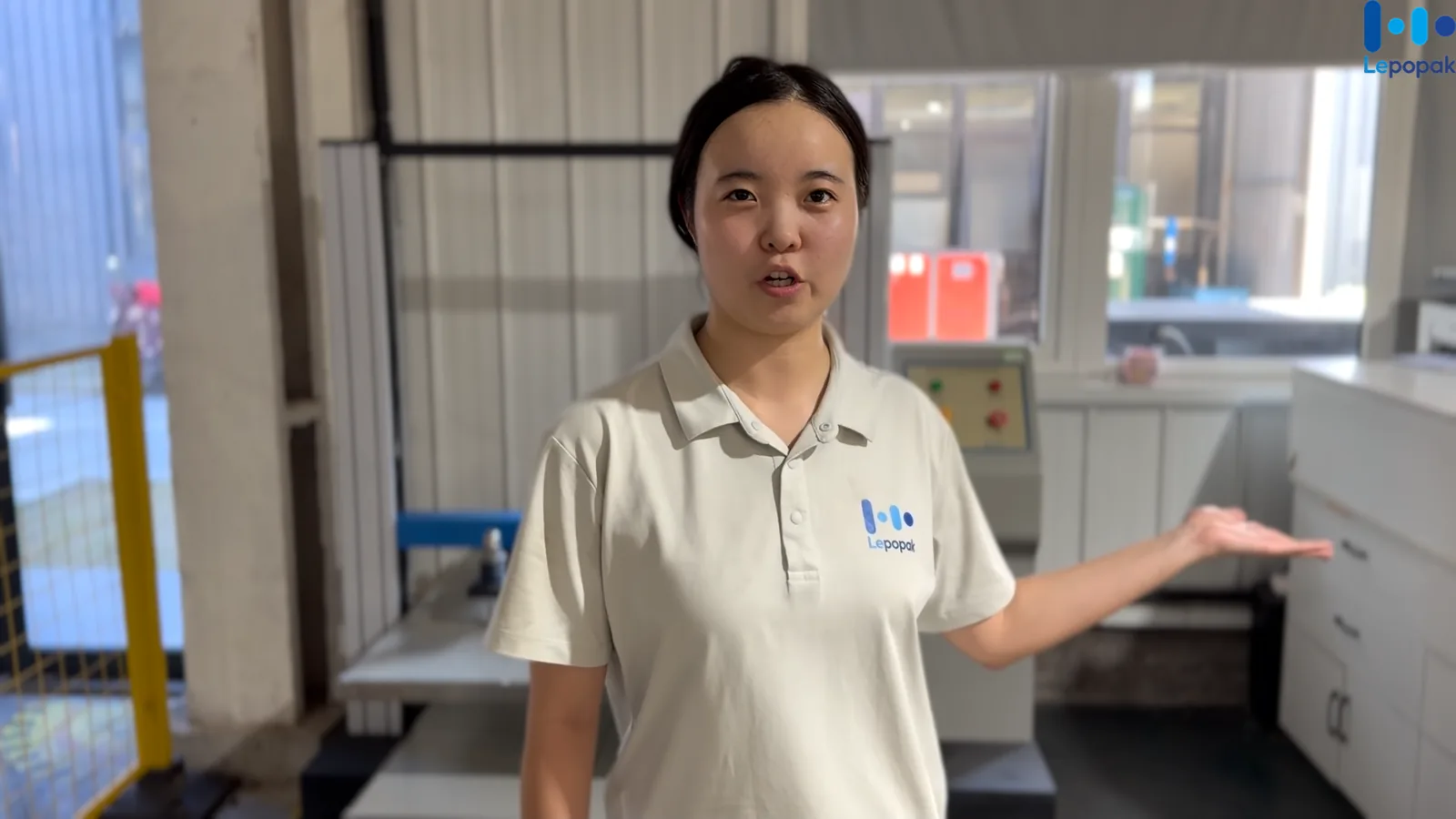
The quality film shows incoming material checks before production, followed by compression and drop testing on finished packaging.

Use it as evidence of the inspection process. Exact test conditions remain project-specific and should be confirmed in the approved specification.

LePopak quality inspector introducing custom gift box material, compression and drop testing
Quality Proof

Three Fixed Quality Gates for Custom Boxes

For early planning under a standard 8-hour shift, reference output is up to 8,000 lid-and-base boxes per day, approximately 1,000 other box structures per day, and approximately 700 one-piece folding boxes per day. Final capacity and lead time are confirmed against the approved specification and current production mix.

8 hoursStandard shift
Up to 8,000/dayLid and base boxes
Approx. 1,000/dayOther box structures
Approx. 700/dayOne-piece folding boxes

Incoming material control

Paper, greyboard, foil, accessories and EVA are checked before use.

Approved-sample control

Production is compared with the signed structure, color, finish and insert reference.

Finished-box inspection

Opening feel, corners, surfaces, accessories, inserts and packing are checked before dispatch.

FAQ

Custom Packaging Boxes FAQ

What information should be reviewed before choosing a box style?+

We begin with product dimensions, shape, weight and fragility, then consider presentation, unboxing, storage, shipping, budget and order quantity. The best structure protects the product and supports the buying experience without adding unnecessary cost.

How should heavy, fragile, irregular or glass products be packaged?+

Use stronger board, reinforce the base, support the product over a broad area and fit a custom EVA or EPE insert to prevent movement. Glass edges and unusual contours need dedicated relief and cushioning, while hinges and closures must be sized for the load.

What structural mistakes do buyers make most often?+

Common issues include ignoring board and insert thickness, choosing a structure that exceeds the budget, prioritizing shape over shipping strength, using board that is too light, and specifying unsuitable magnet strength. We correct these through a dimensioned structure proposal and a physical sample before mass production.

How do you adapt one packaging concept to different budgets?+

A value option normally uses a standard lid and base structure with a paper insert and minimal finishing. A balanced option can add a magnetic closure, EVA or molded paper insert and one signature finish. A premium option may use a custom book-style or layered structure, thicker board, flocked inserts and carefully selected combined finishes.

Which insert material should I choose?+

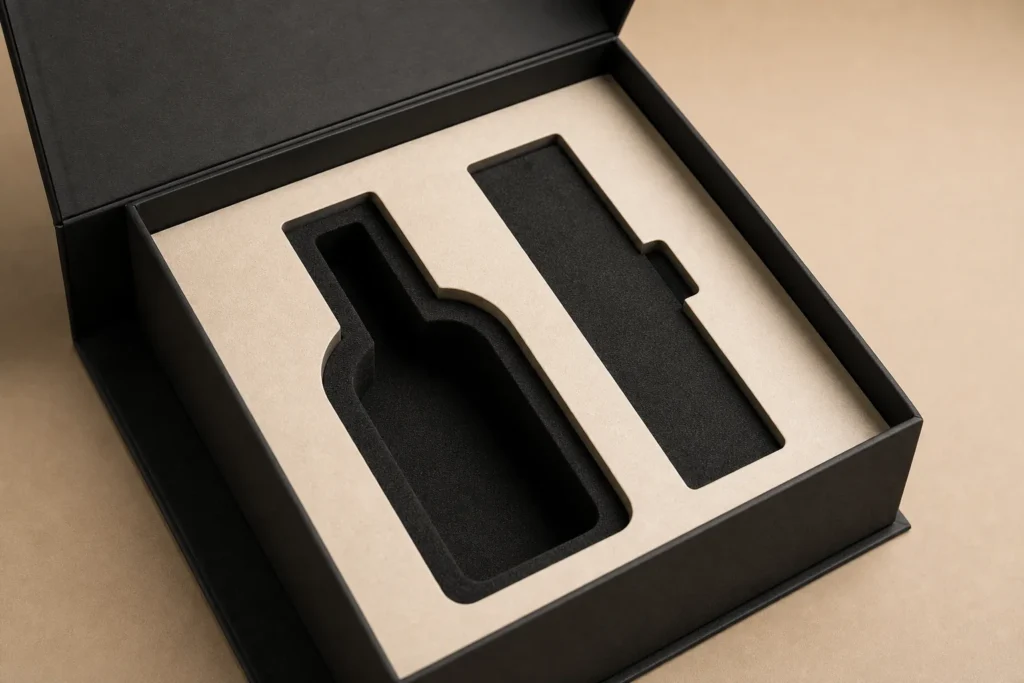
Paperboard or paper grid suits food and light sets, EVA provides accurate fit and strong cushioning, foam suits small light items, and flocking adds a soft display surface. Blister trays suit high-volume small products, while EPE and corrugated dividers are mainly protective transport materials.

What information do you need to start a custom box project?+

We need the product dimensions and weight, preferred box style, finished size, material and insert direction, finishes, accessories, quantity, required date, shipping method, final artwork and acceptance criteria. A real product sample is strongly recommended for fitted inserts.

Can you help if I have no packaging drawing or final dimensions?+

Yes. We measure the real product, recommend a structure for the use case and budget, calculate the inner and outer dimensions, select board and insert materials, and issue a basic structural drawing. A plain prototype then validates fit before graphic design is finalized.

What should be approved at the sample stage?+

Approve dimensions with the real product, insert fit and removal, every accessory, opening feel, paper and board, actual print and finish appearance, fold and turn-in locations, shipping resistance and the final artwork version. Physical approval is more reliable than a screen proof alone.

How do you decide whether a complex design can be mass-produced reliably?+

We review paper behavior, process difficulty, tolerance, assembly time, distribution conditions and likely yield. A physical process sample is used to test repeated opening, rubbing, packing and handling before the production method is accepted.

What incoming-material checks are performed?+

Paper is checked for grade, weight, color and surface damage; greyboard for thickness, stiffness and warp; foil for shade; accessories for size and function; and EVA for density and contamination. Serious non-conformance is quarantined and returned, while any proposed concession requires approval.

Who approves the first article, semi-finished work and finished boxes?+

The setup operator and IPQC approve the first article. Operators and IPQC inspect die-cut, mounted and grooved semi-finished work. Finished boxes receive line inspection and IPQC review, followed by OQC sampling before dispatch.

Where are the fixed quality gates in production?+

IQC checks incoming materials. Operators and IPQC inspect printing, finishing, die-cutting, V-grooving, mounting, box forming, accessories and inserts. FQC checks every finished box, and OQC samples packed goods against the master sample, quantity and shipping marks.

PRODUCTION PLANNING

Reference Daily Capacity for an 8-Hour Shift

Use these figures to compare box structures during early planning. Box size, materials, finishes, inserts and assembly all affect output and lead time. Quality requirements and the current production schedule also affect capacity.

Up to 8,000/day

Lid and Base Boxes

Approx. 1,000/day

Other Box Structures

Approx. 700/day

One-Piece Folding Boxes

Next Step

Turn Your Product Brief Into a Production-Ready Box

Send the product size, weight and order quantity. Also include your artwork status, destination and required delivery date. Our factory team will recommend a structure, insert and sampling plan.

Lepopak

START WITH THE PRODUCT

From product details to a clear packaging plan.

Share the product, order quantity and confirmed requirements. We will focus the next questions on box structure, insert fit, prototype approval and production.

01

Share the essentials

Even if your brief is still developing.

02

Review the practical route

Structure, insert, finish and sample route.

03

Receive a focused response

The right next questions for your project.

Direct project contact. Design files and reference images are welcome.

Tell us about your project.

Fields marked * help us give you a more useful first response. Everything else can wait.

YOUR CONTACT + PROJECT OVERVIEW

We use your details to respond to your enquiry. Read our Privacy Policy.

By sending this form, you agree that Lepopak may contact you about this packaging project.