
Factory-Direct Custom Packaging
Custom Boxes with Logo
Choose the box structure first, then match logo size, position and finishing to the paper, artwork and approval standard.
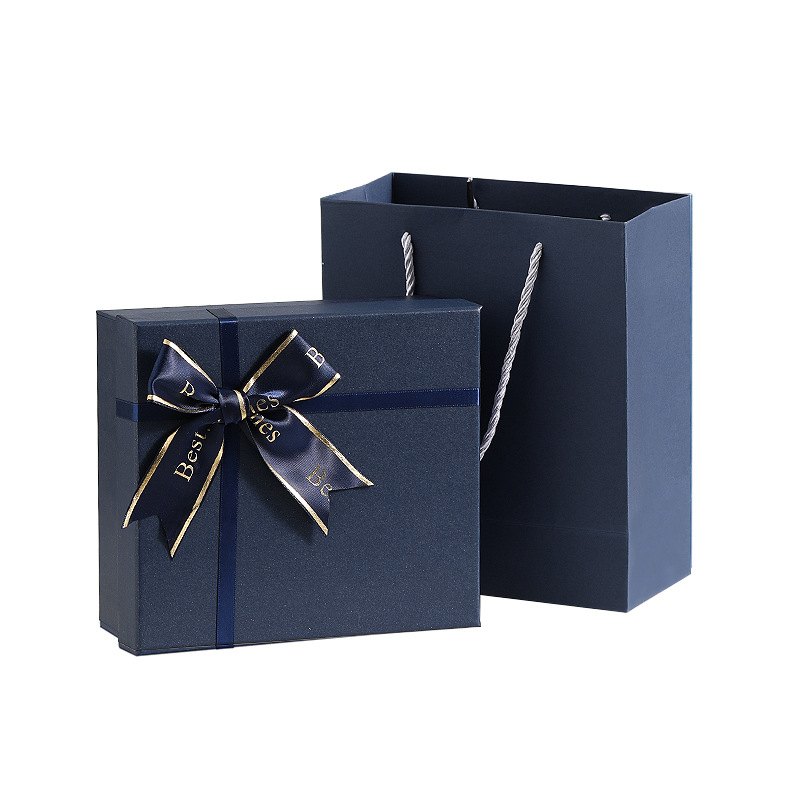
A logo is a production decision
The same artwork behaves differently across textured paper, coated paper, foil, embossing and print.
Structure and surface
Confirm the box shape, wrap material and available flat area before positioning the mark.
Artwork scale
Review fine lines, small counters, foil bridges and the distance from folds, edges and seams.
Brand consistency
Lock color, position and finish against an approved physical sample before bulk production.
Logo and branding methods
Select one primary brand treatment, then add supporting finishes only where they improve recognition.
Foil stamping
Metallic or pigmented foil for a crisp mark. Paper texture and fine artwork affect coverage.
Embossing and debossing
Raised or recessed detail that depends on board support, paper behavior and relief depth.
Offset and screen printing
Useful for solid colors, detailed artwork and larger printed areas after color proofing.
Spot UV
Gloss contrast over selected logos or patterns. Registration must be checked on the final artwork.
From artwork to approved sample
A production-ready handoff reduces late artwork changes and finish conflicts.
Provide vector artwork
Supply editable vector files, brand colors and a clear minimum-size rule.
Review the placement proof
Check scale, orientation, distance from edges and how the mark aligns when the box is opened.
Approve the physical result
Confirm the final paper, color, foil, relief and surface protection on a process sample.
Photo Required
Artwork, process sample and approved sample
Find one landscape photo showing the digital artwork, finish sample and approved box together. Recommended 1600 x 1200 px.
What the factory checks in production
Branding control continues after sample approval.
Registration
Check print, foil or UV position against the approved artwork and physical reference.
Coverage and edges
Inspect missing foil, pinholes, incomplete relief, contamination and damage near folds.
Batch consistency
Compare color, placement and surface appearance during production, not only at final inspection.
Questions about custom boxes with logo
Selected factory answers for this buying decision. The complete answer library remains on the FAQ page.
We support CMYK offset printing, screen printing, hot foil, silver foil, blind embossing, debossing, texture embossing and spot UV. Printing handles color and gradients, screen printing gives dense solids, foil adds metallic reflection, embossing changes surface relief and UV creates selective gloss.
CMYK works best on smooth pale print stocks and supports images. Foil suits simple logos and lines of at least about 0.2 mm, especially on dark boxes. Screen printing handles strong solid colors, while embossing and spot UV need clear, not overly fine artwork and a compatible paper surface.
Bright gold is the most mature and stable, matte gold is quieter, and bright silver is cooler but more sensitive to oxidation. Colored foils offer fewer controlled shades, while holographic foil is highly reflective but more vulnerable to texture, rubbing and visual inconsistency. Typical stability is bright gold, matte gold, silver, colored foil, then holographic foil.
Very fine lines can break, large solid foils can show pinholes and uneven transfer, and foil across a turn-in or fold can crack. Coarse paper textures interrupt contact. We recommend lines around 0.2 mm or heavier, restrained solid areas and clear distance from folds and wrapped edges.
Please supply vector AI, PDF or EPS files, with fonts outlined, colors defined in CMYK or named spot colors and full bleed included. Foil, UV and embossing must be separated into dedicated artwork layers, with final logo size, minimum line weight and version clearly approved.
We issue a dimensioned PDF proof, check each finish separation and compare physical color or foil references. A real process sample is used where appearance matters, because a screen cannot define print or foil acceptance. Orientation is checked on every face, including the inside lid and base.
Textured matte paper with restrained matte foil and light embossing, matte lamination with limited spot UV, or a strong specialty paper with almost no added finish are reliable choices. Investing in a clean insert often adds more perceived value than stacking several decorative processes.
Small rigid boxes often use 2.0-2.5 mm board, standard boxes 2.5-3.0 mm and large heavy packs 3.0-3.5 mm. Matte film is refined but marks more easily; gloss film resists wear. Foil generally costs more than UV, and exposed foil wears sooner. EVA protects best, EPE is economical and paper grids are recyclable. Specialty papers and water-based adhesives require process and export-market verification.
Next Step
Send Your Logo and Packaging Brief
Share the product dimensions, quantity, preferred box style, artwork file and required date. We will recommend a practical branding route.