
Cosmetic Packaging Boxes
Beauty packaging must protect bottles, jars, pumps and multi-SKU sets while keeping color, finish and opening experience consistent across a product range.
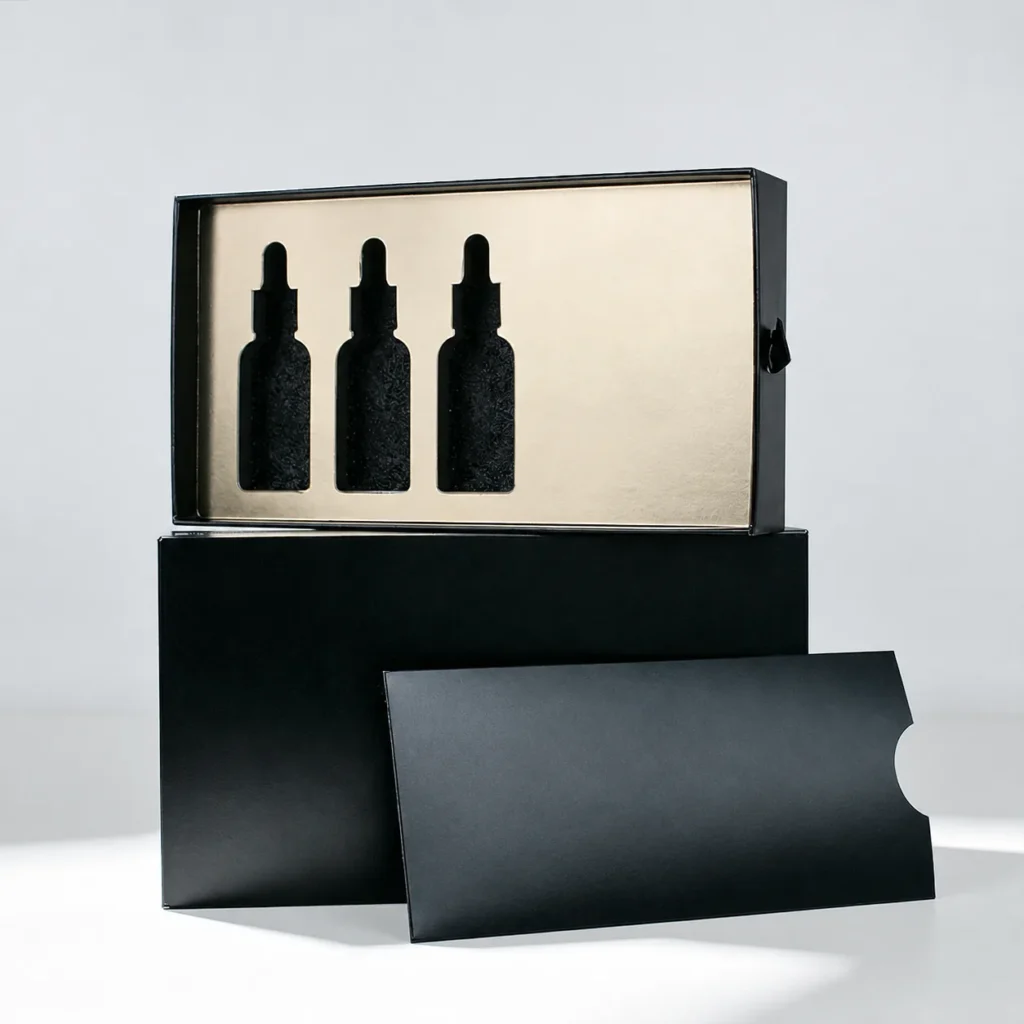
Packaging Built Around the Cosmetic Format
Jars, bottles, droppers, palettes and multi-product sets create different weight, clearance and presentation requirements. The outer box and insert should be developed together so products stay organized, surfaces remain protected and the opening sequence supports the brand.
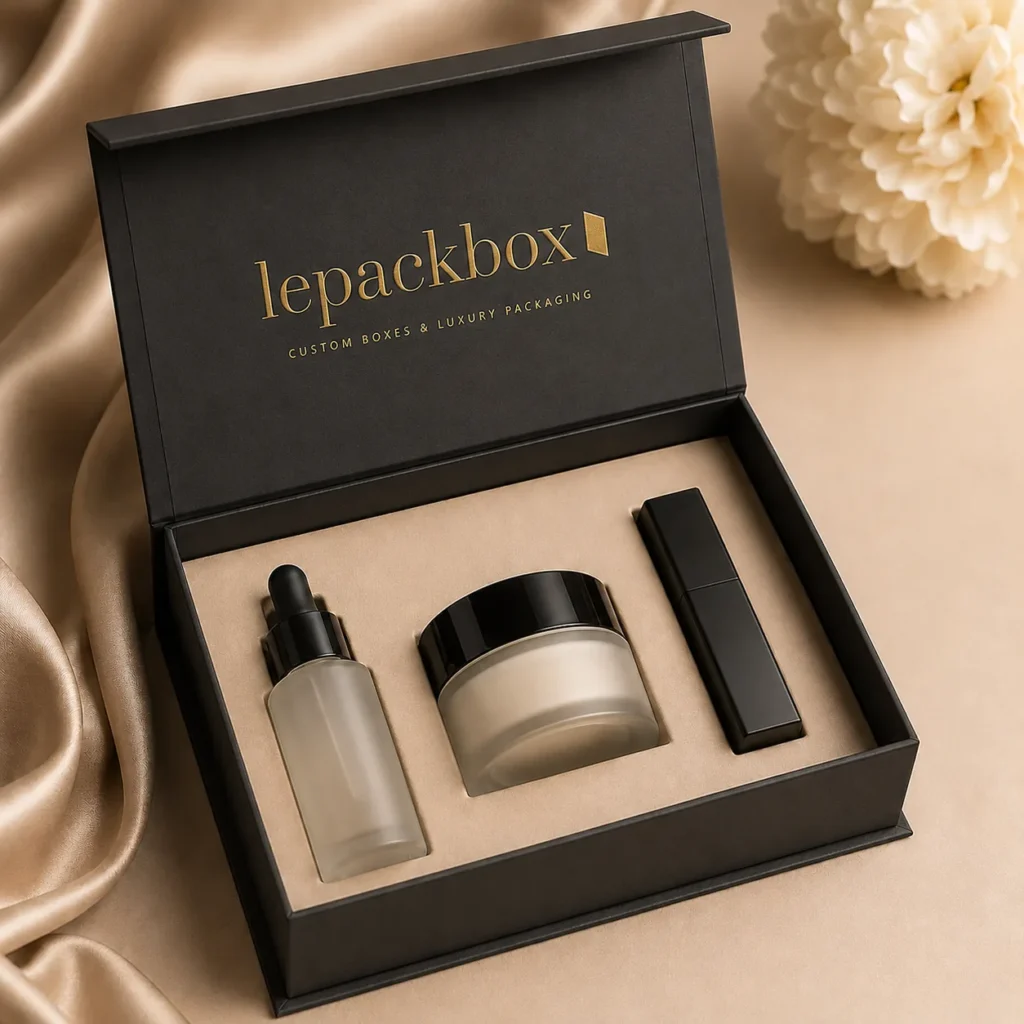
Cosmetic Packaging Boxes Product Examples
Browse factory-made structures that can be adjusted for product dimensions, protection, opening experience, printing and order requirements.
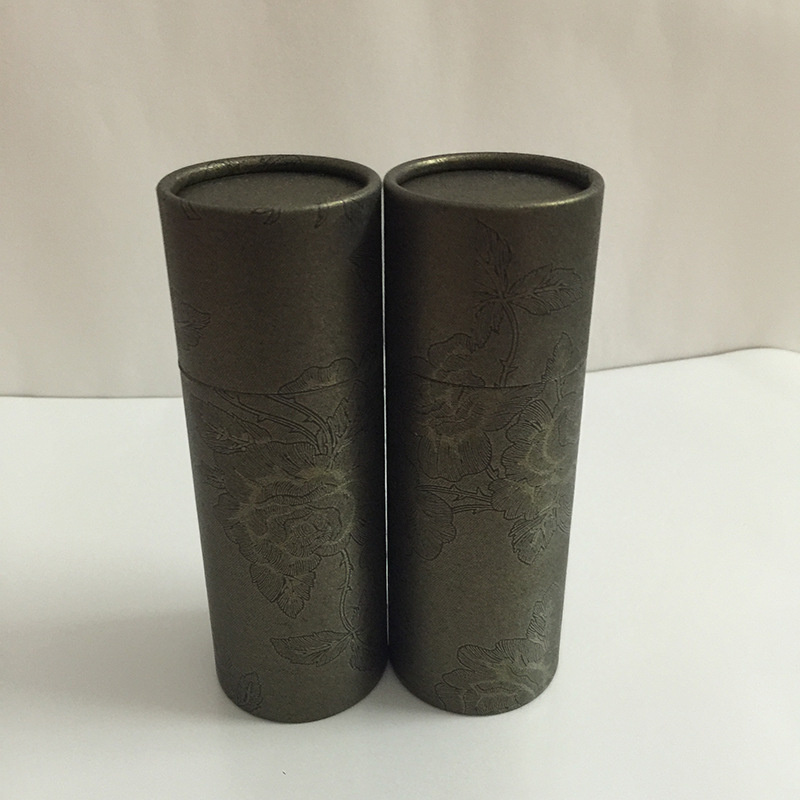
Recommended Box Structures
Use magnetic book-style boxes for launch sets, drawer boxes for routines and accessories, or lid and base boxes when stacking and efficient storage matter.
Magnetic launch kit
A presentation-led format for skincare and makeup sets, with the spine, magnets and insert planned around the packed load.
Drawer routine set
A controlled reveal for multi-item routines. Sleeve clearance, tray weight and pull strength must be sampled together.
Lid and base range
A practical rigid format for shared SKU systems, efficient stacking and repeat orders.
Materials, Inserts and Finishing
Measure the widest point and full height of every item. Fitted EVA, flocked EVA, paperboard or molded paper inserts should hold products without pressing pumps or fragile glass. Approve color, logo position and finish on a physical sample. Dark surfaces expose scratches and white edges, while pale surfaces expose dirt and glue marks.
Paper & Board
Greyboard thickness, specialty paper, coated paper and responsible paper options.
Custom Inserts
Paperboard, molded pulp, EVA, foam and fabric-covered insert systems.
Foil Stamping
Gold, silver and custom-color foil for logos and fine details.
Embossing / Debossing
Raised or recessed brand details for a tactile premium finish.
Spot UV
Gloss contrast used selectively over logos, patterns or product names.
Logo Printing
Pantone, CMYK and specialty printing aligned to approved artwork.
What to Confirm Before Sampling
These decisions shape the structure, insert, physical sample and quotation.
SKU architecture
Plan shared dimensions, color rules and insert logic across bottles, jars and campaign sets.
Pump and glass clearance
Keep pressure away from pumps and add cushioning around fragile glass edges.
Launch approval
Coordinate structural, artwork and process samples with the campaign date.
From Product Brief to Mass Production
Review the product and risk first, approve the physical structure and finishes, then lock the production specification and inspection references.
- 01
Requirement Review
Confirm product size, order quantity, structure, market and target budget.
- 02
Structure & Artwork
Develop the dieline, insert fit, materials and print specifications.
- 03
Sample Approval
Approve structure, color, finish and packing method before mass production.
- 04
Mass Production
Printing, surface finishing, die cutting, assembly and line inspection.
- 05
Quality Check
Check dimensions, appearance, function, insert fit and approved-sample consistency.
- 06
Export Packing
Pack for shipment and coordinate express, air or sea delivery worldwide.
Quality Checks for Repeatable Delivery
Check insert fit, product removal, surface resistance, print and foil registration, opening function and consistency against the signed sample.
First-article approval
Stop setup errors before volume production.
In-process inspection
Catch drift in mounting, foil, glue, fit and alignment.
Final inspection
Check appearance, opening performance, accessories and packing.
FAQ About Cosmetic Packaging Boxes
What matters most when packaging cosmetic sets?+
We measure the widest point and full height of every bottle, including caps and pumps, and plan the hero-product view before selecting the box. EVA or flocked EVA should hold bottles without forcing them, with relief around pumps and extra cushioning around glass.
Which colors, papers and opening styles suit different industries?+
Beauty and fragrance often favor low-saturation colors, tactile papers and magnetic openings. Jewelry uses restrained foil and soft linings. Tea and food suit textured papers and lid and base or tube formats. Wine and corporate gifts typically use deeper colors, stronger board and simpler, more formal finishes.
How do you develop packaging when no standard box fits?+
We measure and weigh the real product, define shipping and display conditions, shortlist a structure and select an insert by fragility. A physical prototype is then tested for fit, opening, vibration and drop risk before dimensions and reinforcements are finalized.
Which insert material should I choose?+
Paperboard or paper grid suits food and light sets, EVA provides accurate fit and strong cushioning, foam suits small light items, and flocking adds a soft display surface. Blister trays suit high-volume small products, while EPE and corrugated dividers are mainly protective transport materials.
Which details improve the unboxing experience most?+
A clean flocked or fabric-faced insert, easy finger access, correct product depth, a clear hero-product position and a well-tuned magnetic close deliver the most value. A card pocket and fully finished inner lid help. Extra hidden mechanisms are only useful when they remain reliable at scale.
How are logo position, direction, color and finish approved?+
We issue a dimensioned PDF proof, check each finish separation and compare physical color or foil references. A real process sample is used where appearance matters, because a screen cannot define print or foil acceptance. Orientation is checked on every face, including the inside lid and base.
How is insert performance checked?+
The real product is fitted, shaken and removed several times. It should not move or strike the box, must remain easy to lift, and cannot be pressed by the closed lid. Cavities and flocked edges are checked for burrs or debris that could scratch the product.
How are printing, foil, UV, embossing and lamination accepted?+
Print must match the approved reference, register cleanly and remain complete. Foil must transfer and adhere without skips, spread or broken lines. UV must be even and fully cured, embossing must be clear without paper damage, and film must be bonded without bubbles, wrinkles or lifting edges.
PRODUCTION PLANNING
Capacity Follows the Selected Box Structure
Daily output depends on the box structure and size. Inserts, finishes and packing methods also affect capacity. Use the 8-hour-shift figures for early planning, then confirm the schedule after sample approval.
Next Step
Plan Your Cosmetic Packaging Boxes
Send the product size, weight and order quantity. Also include your artwork status and required delivery date. Our factory team will recommend a box structure, insert and sampling plan.