Prepare the product, structure, artwork, quantity and timing information that helps a packaging manufacturer give you a more useful first response.
Fast answer
- Lead with the real productDimensions, weight and fragile areas shape the box and insert before decoration is discussed.
- Use a quantity rangeA realistic estimate helps the manufacturer assess materials, tooling and production economics.
- References are enough to beginEarly photographs and visual references can start feasibility work before final artwork is ready.
A useful custom packaging quote starts with a useful brief. You do not need to have every technical detail decided, but the manufacturer needs enough information to understand the product, intended presentation, production quantity and practical constraints.
1. Start with the product, not the box
Share the product dimensions, packed weight and any fragile or sensitive areas. If accessories, bottles, jars, cards or cables will sit inside the same box, include them in the size and weight information. Product photographs or a physical reference sample can make the discussion much clearer.
2. Describe the box structure you have in mind
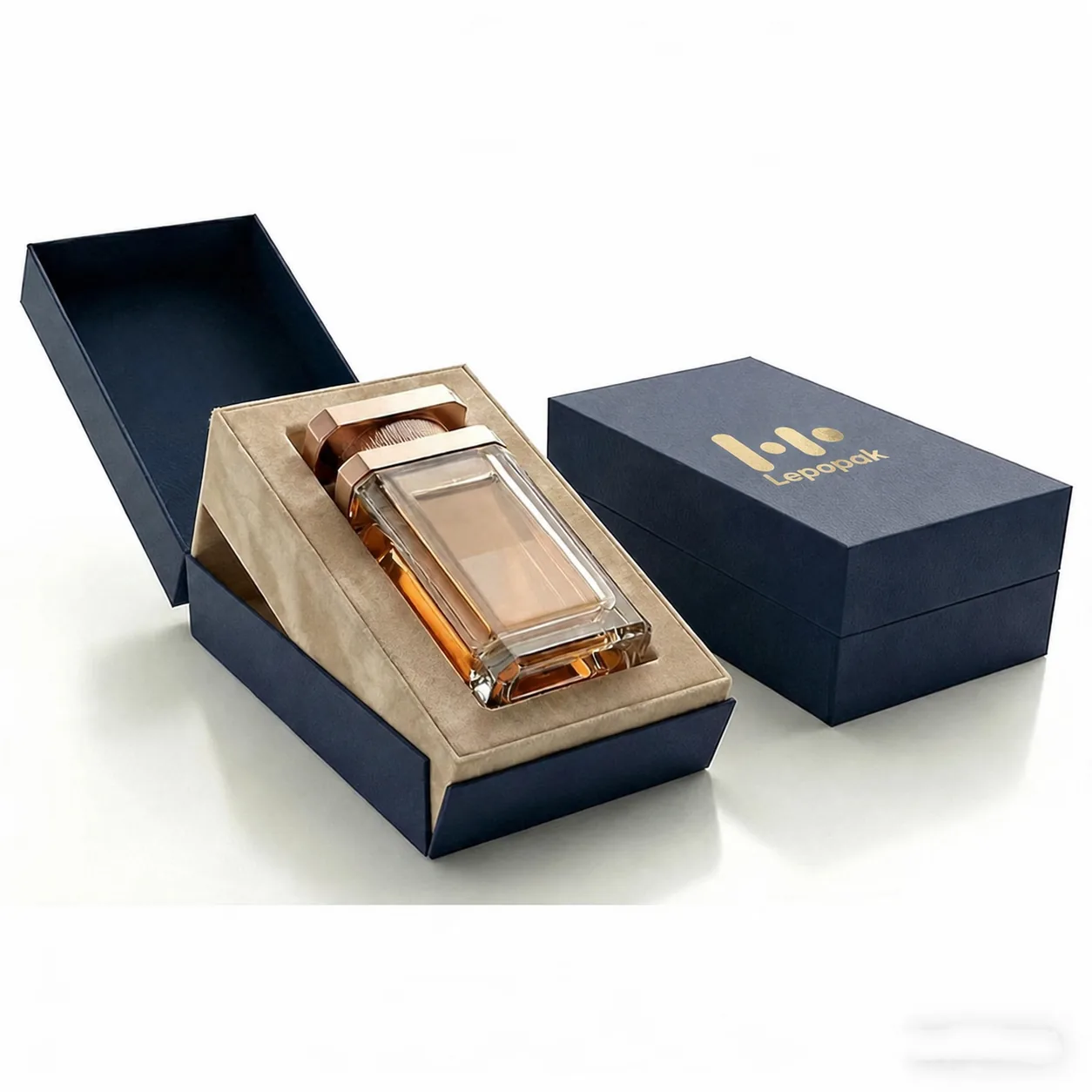
If you already know the structure, name it: magnetic rigid box, lid-and-base box, drawer box, folding gift box or another format. If you are unsure, explain the opening experience and packing workflow you want. A manufacturer can then compare suitable structures instead of forcing the project into the wrong box type.
3. Define the insert and protection requirements
The insert affects presentation, protection and production cost. Confirm how many products must be held, whether they need to remain upright and how tightly they should fit. Paperboard, EVA, foam, pulp and fabric-covered inserts each perform differently. The final choice should be tested with the actual product whenever possible.
4. Provide artwork and finish references
Vector logo files are preferred for printing, foil stamping, embossing and debossing. Also share brand colours, reference photographs and any finish expectations. If final artwork is not ready, a clear reference image is still useful for early feasibility and quotation discussions.
5. State a realistic estimated quantity
Custom packaging pricing depends heavily on quantity because materials, tooling, printing setup and assembly are distributed across the production run. A range such as 1,000 to 3,000 pieces is more useful than leaving the quantity open. If the project may repeat, mention the expected reorder pattern as well.
6. Explain the timing and approval route
Share the desired delivery date, launch date and any internal approval milestones. Allow time for structural review, artwork confirmation, sampling, sample revisions, mass production and quality inspection. Urgent schedules should be discussed before the structure and finishes are locked.
A practical briefing checklist
- Product dimensions and packed weight
- Product and reference photographs
- Preferred box structure or opening experience
- Insert and protection requirements
- Logo files, brand colours and finish references
- Estimated order quantity
- Target delivery or launch date
- Destination and packing requirements, if already known
What happens after the brief?
The first response should clarify feasibility, missing information and the next practical step. Depending on the project, this may be a preliminary structure recommendation, a quotation range, artwork review or a sampling plan. A clear brief reduces avoidable revisions and helps both sides make decisions faster.
Lepopak can review an early-stage brief even when the structure is not fully decided. Start with the product, quantity and reference images, and the remaining questions can be worked through in sequence.